Physical Address
304 North Cardinal St.
Dorchester Center, MA 02124
Physical Address
304 North Cardinal St.
Dorchester Center, MA 02124

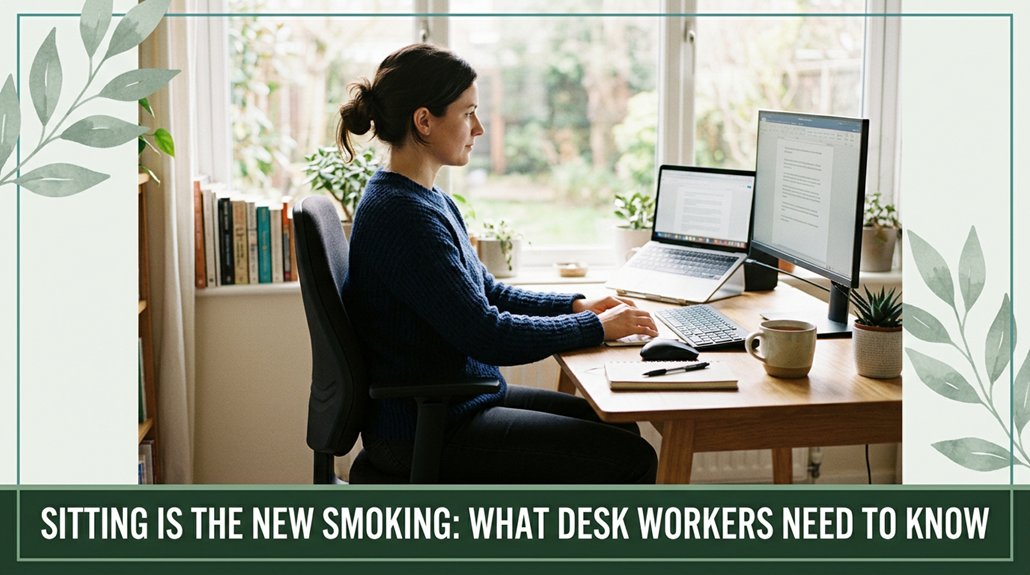
Sitting for hours at your desk isn’t just uncomfortable it’s a health risk you need to take seriously. Your hips tighten, your core weakens, and blood flow slows down, which can lead to serious issues like heart disease and back pain. If your lower back is talking to you by 3 pm, you already know this is a problem worth solving. Keep reading to find simple tricks that can help you stay healthier during your workday.
This article contains affiliate links. If you purchase through them, I may earn a small commission at no extra cost to you. I only recommend products I genuinely believe in.
All right, let’s talk about what sedentary behavior actually is and why it’s becoming such a big deal. You’ve probably heard someone say “sitting is the new smoking,” and honestly, it’s not just a catchy phrase. Sedentary behavior means any waking activity where you’re sitting, reclining, or lying down, with energy use at or below 1.5 metabolic equivalents (METs). According to Mayo Clinic recommendations, this level of low energy expenditure is typical of activities like binge-watching TV, scrolling on your phone, or long drives; these activities tend to add up over time.
Sedentary behavior includes sitting or lying down with minimal energy expenditure, like watching TV or scrolling on your phone.
The problem is that we’re sitting way too much over half our waking hours. Research on spinal biomechanics suggests that prolonged sitting can lead to poor posture, including thoracic kyphosis and lumbar strain, which may cause or exacerbate lower back pain.
Extended sitting reduces muscle activity in your core, glutes, and leg muscles, hampers blood flow, and interferes with your body’s ability to process glucose effectively. Recent studies have also shown that sitting for extended periods can elevate blood pressure and negatively impact vascular health, which further increases disease risk. Incorporating physical activity into your daily routine can significantly help mitigate these risks.
According to OSHA ergonomic guidelines, this sedentary pattern can increase the risk of metabolic disorders, cardiovascular disease, and musculoskeletal issues like sciatica and lumbar disc problems. For people who sit more than 6 hours a day, these health risks become particularly significant.
It’s crucial to integrate periodic movement, such as standing breaks or ergonomic adjustments, to help counteract the adverse effects of sitting. In summary, reducing sitting time and increasing movement are essential for maintaining overall health and preventing chronic conditions associated with sedentary behavior.
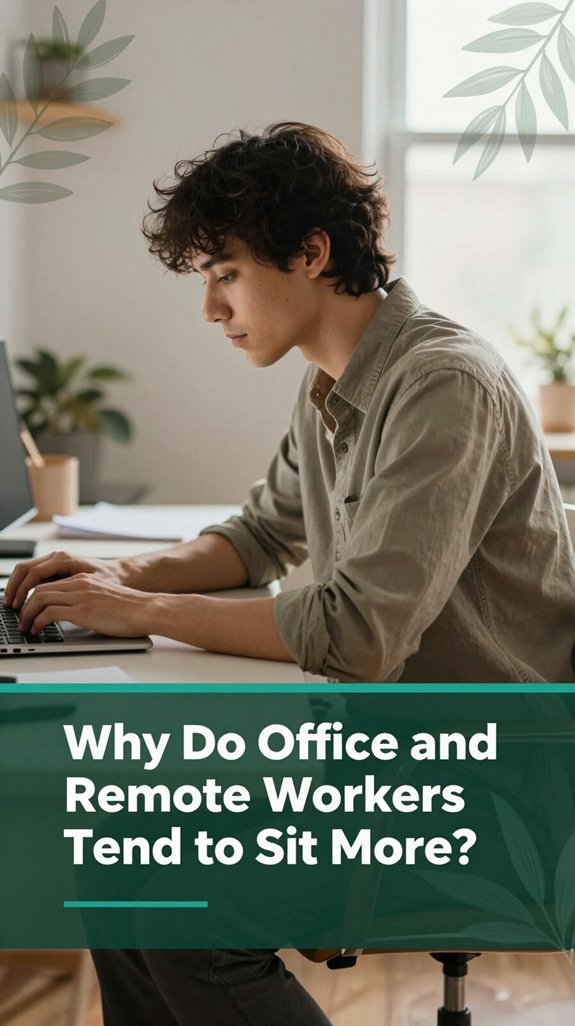
All right, here’s the thing: your job probably makes you sit more than you realize and more than you want to admit. You’re likely glued to your desk because of how modern work is set up.
Many tasks now happen at a computer screen, so you naturally end up sitting for up to 79% of your workday, often in long stretches of 30 minutes or more. According to research on spinal biomechanics, prolonged sitting can contribute to poor lumbar support and increased risk of lower back pain, such as sciatica.
Workspaces are designed for sitting traditional desks, ergonomic chairs, conference rooms all encourage you into a seated posture. Sitting at a desk with a chair set at the correct height (about 90 degrees at the hips and knees) helps reduce lumbar strain but can still lead to musculoskeletal issues if maintained for too long. Recent studies show that sitting for extended periods can lead to increased cardiovascular risk and metabolic disruptions.
Organizational culture and workload often push you even further into your seat. The fear of losing productivity and the pressure to complete tasks tends to discourage taking breaks, even when your body signals the need for movement.
Extended sitting can contribute to poor thoracic posture, increased kyphosis, and other musculoskeletal problems over time.
Look, it’s not your fault; the system just encourages it. However, incorporating frequent movement and ergonomic adjustments can mitigate these risks.

Now, here’s the thing: sitting for hours on end isn’t just uncomfortable it actually alters how your body functions, from your muscles all the way up to your heart. When you’re seated for prolonged periods, your gluteal muscles and core musculature weaken because they aren’t being activated regularly.
Your hip flexors and hamstrings become tight, which can result in stiff hips and an altered gait, according to research on spinal biomechanics suggests. Meanwhile, your lumbar spine bears increased load, accelerating disc degeneration and contributing to low back pain, per Mayo Clinic recommendations.
Blood flow in your legs slows down, increasing the risk of blood pooling and clot formation, especially in the deep veins of the calves and thighs. Additionally, many ergonomists recommend that prolonged sitting leads to a slowed metabolism, making weight management more difficult and increasing the risk of insulin resistance.
Sedentary time has been linked to higher cardiovascular risk, which further underscores the importance of standing up and moving around regularly. In essence, sitting isn’t simply a matter of discomfort it causes systemic changes that can impact your musculoskeletal health, cardiovascular system, and metabolic function. Prolonged sitting can lead to increased strain on your lumbar spine, emphasizing the importance of incorporating movement and proper ergonomics into your daily routine.

You might’ve heard that sitting too much isn’t just comfy-chair stuff it’s actually pretty dangerous, and science backs that up. If you sit over 8 hours a day, your risk of dying prematurely jumps to about 1.6 to 1.75 times higher according to research on sedentary behavior. That’s roughly as risky as smoking or being obese.
Sitting more than 6–8 hours starts increasing your risk, and it skyrockets past 10 hours. Even if you exercise regularly, sitting that long still adds to your health risks. Just 2 extra hours of TV sitting bumps up the chance of death by around 13 percent, per Mayo Clinic recommendations.
All right, your body wasn’t made to sit like that all day. Your muscles, including lumbar, thoracic, cervical, and sacral regions, as well as your heart and metabolic processes, pay the price whether you realize it or not. Prolonged sitting can contribute to issues like thoracic kyphosis, sciatica, and carpal tunnel syndrome.
Physical activity can counteract some of these negative effects by improving your overall health and reducing the time spent in sedentary positions. Practically speaking, breaking up long sitting periods with standing or walking can significantly mitigate these risks. Taking regular movement breaks can help keep your muscles active and your blood flowing, further protecting your health. Remember, reducing sedentary time is essential for maintaining spinal health, cardiovascular health, and overall well-being.

Ever wonder if you can outrun sitting’s bad effects with a quick jog or a brisk walk? Well, technically, yes sort of. Research on spinal biomechanics suggests that about 30–40 minutes of moderate-to-vigorous activity each day, like brisk walking or cycling, can counteract some of sitting’s risks.
The key is doing more than just a quick stretch; hitting around 150 minutes weekly usually helps, and 300 minutes seems to eliminate the danger altogether per Mayo Clinic recommendations.
Aim for 150 to 300 minutes of activity weekly to fully counteract sitting’s risks.
Higher intensities think fast cycling or running are even more powerful in offsetting sitting’s toll. All right, but it’s not just about crushing a workout; breaking up sitting every half hour with light activity, like moving around, really makes a difference too.
For example, standing up or stretching your lumbar and thoracic regions can reduce the risk of developing conditions like poor posture-related thoracic kyphosis or lower back pain. Incorporating brief movement breaks into your day can significantly decrease the accumulation of strain caused by prolonged static postures.
Bottom line: consistent, moderately vigorous effort combined with frequent light activity is your best bet to mitigate the adverse effects of prolonged sitting.
Sitting for hours might seem harmless just something you do while working or watching TV but the truth is, it’s secretly sneaking up on your health. When you sit too long, it’s like your body’s running on a slow setting, which increases the risks of diabetes, heart disease, and even early death.
Here’s what happens:
People who sit more than 6 hours a day are especially vulnerable, as sustained hip flexion and poor posture in ergonomic office chairs or sofas contribute to these health risks.
Many ergonomists recommend taking short activity breaks every 30 minutes, standing up, stretching, or walking to counteract these effects.
All in all, it’s clear that sitting isn’t just bad for your posture it’s detrimental to your overall metabolic and cardiovascular health.
Getting through a long workday without turning into a desk-bound statue might seem impossible at first, but here’s the truth: small, intentional moves can make a significant difference. For example, setting up a sit-stand desk can cut your sitting time by up to two hours daily, according to ergonomic research. This adjustment is relatively simple to implement and can help mitigate the adverse effects of prolonged sitting.
Even if you don’t always feel like switching positions, taking micro-breaks every 30 minutes just standing, stretching, or walking around for a minute can substantially reduce extended sitting bouts. These brief intervals give your lumbar, thoracic, and cervical spinal regions a chance to relax, lowering the risk of developing musculoskeletal issues like lower back pain and thoracic kyphosis. To optimize your setup, understanding how to properly adjust your standing desk converter for comfort and stability is essential.
Take quick micro-breaks every 30 minutes to stretch or walk, preventing discomfort and reducing musculoskeletal risks.
Digital prompts or timers are effective tools they remind you to move without disrupting your workflow. Additionally, walking to a coworker’s desk, taking the stairs instead of the elevator, or standing during phone calls all contribute to increased overall activity.
These small changes add up quickly and help prevent the sensation of feeling like a sedentary blob. Incorporating these simple strategies can foster healthier posture and reduce the risk of common workstation-related problems, ultimately helping you stay more active and engaged throughout your workday.
Sure, it might seem like just a tiny moment to stand up and stretch, but those little micro-movements can do a lot of heavy lifting for your body. When you sit too long, muscles become stiff, blood flow slows, and joints including the cervical, thoracic, lumbar, and sacral regions may experience increased strain. Regular movement helps maintain joint health and circulation, which is why incorporating small activity breaks is so beneficial. According to OSHA ergonomic guidelines, regular movement helps maintain joint health and circulation.
So, here’s an easy fix:
Incorporating ergonomic adjustments, such as proper keyboard height and mouse positioning, can further prevent repetitive strain injuries. Keep your movements light and regular, and your body will thank you for avoiding prolonged static postures and repetitive strain.
You’ve probably been in a meeting where everyone’s mysteriously become a statue, glued to their chairs, thinking, “This can’t be good for me.” The good news is, workplaces are recognizing that prolonged sitting isn’t just boring according to OSHA ergonomic guidelines, it’s also linked to increased risks of lower back pain, muscular strain, and circulatory issues. Sit-stand desks, for example, can reduce your sitting time by up to two hours daily.
When paired with informational guidance and encouragement, they can make a significant difference in promoting activity. Regular movement breaks help prevent the negative health impacts of extended sitting. Adding movement policies, such as short breaks or standing meetings, helps interrupt long periods of inactivity and may benefit spinal health by reducing lumbar and thoracic kyphosis associated with sustained sitting.
Active workstations like treadmill desks allow gentle walking to burn additional energy without impairing focus. According to research on spinal biomechanics, incorporating such gentle movement helps decrease pressure on the lumbar discs and improve circulation. Additionally, if your office supports walking groups or flexible workspace layouts, you’re more likely to stay active throughout the day.
Creating an environment that encourages ergonomic workspace design can further support your health. All these changes communicate to your body, “Hey, I got you,” and the body responds positively, reducing strain on the cervical, lumbar, and sacral regions. Implementing these strategies can help you stay healthier and more comfortable at work.
It’s a common misconception that sitting only harms the obviously inactive or unfit folks out there, but the truth is, it affects almost everyone. You might think just 8 hours of sitting isn’t a big deal, but research shows that high sitting time raises your risk of health problems even if you exercise regularly.
Physical inactivity, which includes prolonged sitting, is linked to over three million preventable deaths worldwide every year, highlighting its widespread impact. Sitting increases the risk of certain cancers, such as colorectal and endometrial cancers, according to OSHA ergonomic guidelines. It also weakens your muscles and bones, leading to aches, fractures, and conditions like osteoporosis and sarcopenia. Moreover, prolonged sitting messes with your vascular system.
It reduces blood flow and raises clot risk no matter your weight potentially leading to deep vein thrombosis. Per Mayo Clinic recommendations, standing up and moving at least once every 30 minutes helps counteract these effects.
Incorporating certain ergonomic principles and posture adjustments can also reduce strain, helping to protect your musculoskeletal health. Sitting also impacts your sleep quality and metabolic health.
Research on spinal biomechanics suggests that sitting for extended periods even in healthy-weight individuals can contribute to thoracic kyphosis, which may affect breathing and posture. The takeaway is clear: sitting isn’t just harmless downtime; it’s a sneaky risk factor that impacts your body in many ways. Incorporating regular movement and ergonomic adjustments can help mitigate these health risks.
All right, let’s talk about what the experts actually recommend when it comes to sitting and movement. You should aim for at least 150–300 minutes of moderate activity each week think brisk walking, biking, or dancing and include muscle-strengthening moves twice a week, according to Mayo Clinic recommendations.
If you’re sitting a lot, which I’m guessing you are, they say “sit less, move more.” Even light activity helps, so take breaks often stand up, stretch, walk around.
Research on spinal biomechanics suggests that sitting longer than 8 hours a day, especially with minimal movement, is linked to health risks comparable to smoking and obesity. Specifically, prolonged sitting can contribute to issues like lumbar disc degeneration, thoracic kyphosis, and increased pressure on the sciatic nerve. The detrimental effects of prolonged sitting become more pronounced with more than nine hours of daily sitting.
To mitigate these risks, it’s important to keep active through the day every little movement counts. Practical strategies include standing during work breaks, stretching the cervical and lumbar regions, and engaging in regular physical activity. Your body will thank you for making movement a priority throughout your day.
Sometimes, the hardest part of moving more isn’t figuring out what to do but actually remembering to do it day after day. You know that feeling suddenly realizing you’ve been sitting at your desk for way too long, with your lumbar region becoming stiff and your hips tightening, which can contribute to discomfort or even lower back pain.
According to OSHA ergonomic guidelines, tiny cues can help you override that inertia and promote healthier movement habits. Set a timer or calendar alert every 30 to 60 minutes, reminding you to move for 1 to 3 minutes. This helps break up prolonged sitting periods, which research on spinal biomechanics suggests can reduce risks of lumbar strain and improve circulation. Regular movement breaks are essential, as they can decrease the strain on your muscles and joints caused by continuous sitting. Additionally, incorporating ergonomic strategies can further support your posture and prevent long-term issues.
Pair movement with daily rituals like stretching your thoracic spine or calves when you grab coffee or water to reinforce regular activity. Additionally, use mini rules such as “no uninterrupted sitting longer than an hour,” which helps prevent the development of conditions like thoracic kyphosis or sacral strain caused by prolonged poor posture.
You don’t need to overhaul your entire routine overnight. Start small, be consistent, and soon, moving more will become a natural part of your workday without even thinking about it. Incorporating these simple habits can lead to significant improvements in spinal health and overall well-being.
You’re probably sitting around 6.5 to 8 hours a day and honestly, that’s when risk kicks in.
If you hit 8 or more hours, your odds of health problems like heart disease or diabetes jump considerably.
All right, it’s not about obsessing, but if you want to stay healthy, try to break it up with movement. A few minutes every hour can really make a difference.
Standing desks can help lower some health risks from sitting, but they’re not magic. You might feel better with less back or neck strain, and your blood sugar or blood pressure could improve if you switch between sitting and standing often.
Still, standing alone won’t drastically cut your risk of heart disease or obesity. Think of it as a helpful tool like adding salt to a meal, just enough makes a difference, but too much doesn’t fix everything.
You want to counteract sitting? Do brisk walking, cycling, or swimming these are proven to raise your heart rate and fight the risks of long hours at your desk.
Incorporate 60–75 minutes of vigorous activity weekly or break it into smaller chunks. Add light movements like standing or stretch breaks every 30 minutes; they reduce stiffness and blood sugar spikes.
Resistance exercises twice weekly also boost muscle and metabolic health, even if time’s tight.
Sedentary behavior messes with your mental health and productivity more than you realize. When you sit too long, it drops your mood, increases stress, and makes you feel drained all while dulling your focus.
Your brain needs movement to stay sharp, cozy up with neurotransmitters like serotonin, and keep stress at bay. So, get up often, stretch, or walk around you’ll notice the mental fog lift and your energy bounce back.
You’ll notice signs like persistent neck or shoulder pain, tight hips, or a sluggish feeling hanging around all day.
Maybe your lower back aches after hours of sitting, or your legs feel numb or heavy like they’re protesting your chair’s reign.
These signs come from muscles weakening, poor circulation, and spinal strain.
When you start feeling this way, it’s your body’s way of saying, “Hey, pay attention this sitting thing isn’t doing us any favors.”
All right, let’s be honest you sit for hours and feel fine until suddenly, your back reminds you it’s got limits. Like a neglected plant, your body craves movement to stay healthy, not just survive. You don’t have to turn into a marathon runner overnight small steps add up. Trust me, breaking up your day with simple moves is like giving your muscles a much-needed wake-up call. Your body will thank you, and honestly, your back might even send you a thank-you note.