Physical Address
304 North Cardinal St.
Dorchester Center, MA 02124
Physical Address
304 North Cardinal St.
Dorchester Center, MA 02124

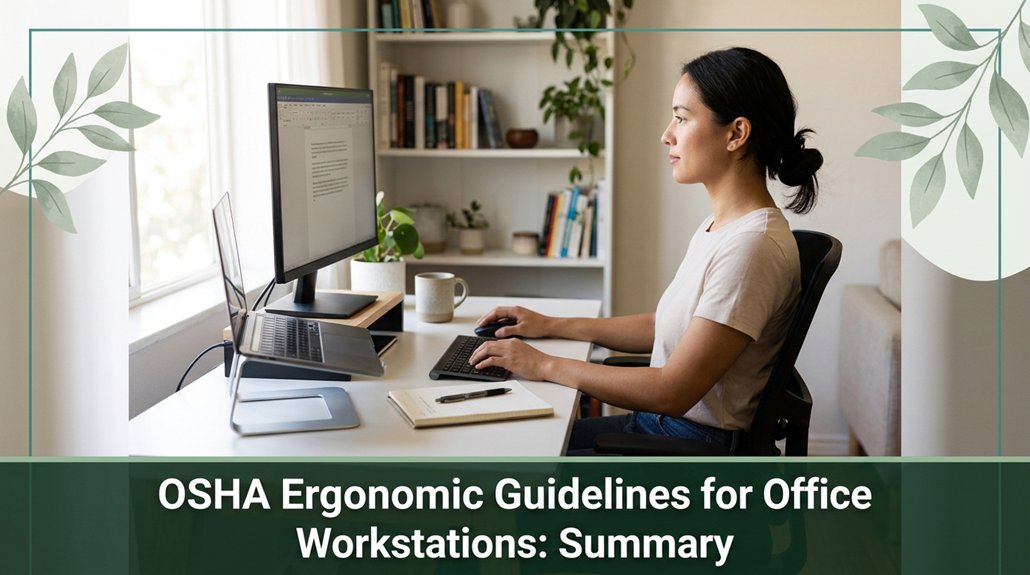
If your lower back is talking to you by 3pm, you already know this is a problem worth solving. OSHA’s ergonomic guidelines for office workstations are here to help you shape your workspace so it works *for* you, not against you. Your monitor should be at eye level, so your neck doesn’t cringe or tilt all day, and your chair needs adjustable lumbar support and armrests, or your back will remind you who’s boss. Keep your keyboard close, elbows at 90 degrees, and move around regularly yes, even micro-breaks make a difference in keeping those aches away. Stick with me, and you’ll uncover how to make your desk setup truly work for *you*.
This article contains affiliate links. If you purchase through them, I may earn a small commission at no extra cost to you. I only recommend products I genuinely believe in.
Let me guess you’ve probably felt that little twinge in your neck or that tightness in your shoulders after a few hours at your desk, right? That’s exactly why OSHA ergonomic guidelines exist. They’re all about stopping those aches before they turn into chronic issues.
According to OSHA ergonomic guidelines, the core idea is to design your workspace to fit you meaning no awkward postures or static sitting should be allowed. They emphasize the importance of identifying risk factors like repetition, force, and awkward positions early. This proactive approach aligns with the science of workplace fit, which underscores how proper workstation configuration can prevent discomfort and injury.
They advocate a systematic process: spot hazards, analyze them, fix them, then check again a cycle similar to a health checkup for your workstation. Implementing ergonomic adjustments can significantly reduce the risk of discomfort and injury.
Following these principles helps you stay comfortable, productive, and possibly even enjoy that long day at your desk.

One clear way to prevent your neck from becoming stiff and sore is to pay close attention to your monitor’s placement. You don’t want to strain upward or downward, so the top of your screen should be at or just below your eye level. According to OSHA ergonomic guidelines, maintaining this position helps keep your cervical spine in a neutral, healthy alignment.
About 15 to 20 degrees below horizontal eye level (which means looking slightly downward without tilting your head) keeps your neck muscles relaxed and minimizes strain. If your monitor is positioned too high, you’ll be forced to tilt your chin upward all day, which can lead to cervical extension and contribute to neck pain and thoracic kyphosis.
Conversely, setting your monitor too low causes you to look down constantly, overworking the neck extensors and potentially aggravating cervical or upper thoracic strain. Adjust your monitor so that you can look straight ahead or slightly downward without craning your neck or leaning forward.
Proper monitor placement is essential for maintaining ergonomic comfort and helps maintain the natural curvature of your cervical spine and reduces the risk of developing conditions like tension neck syndrome. Trust me, your neck will thank you and so will your eyes, as a proper screen position lessens the likelihood of eye strain associated with improper monitor placement.
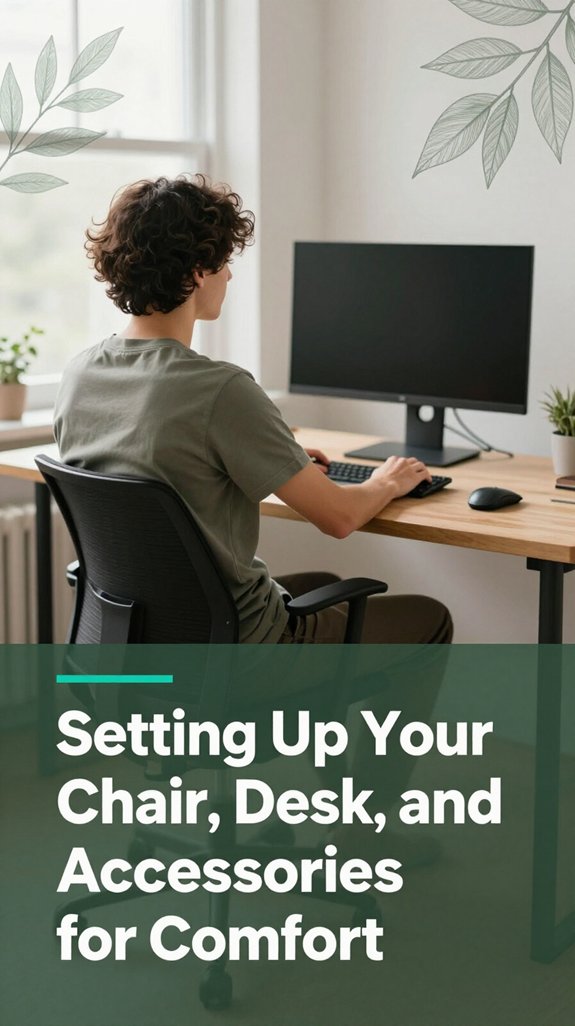
If you’re serious about staying comfortable at your desk, the first step is to ensure your chair, desk, and accessories are set up to support your body properly no awkward compromises allowed.
Pick a chair that offers adjustable seat height, backrest, lumbar support, and armrests. According to OSHA ergonomic guidelines, these features help the chair fit your body like a glove and minimize musculoskeletal strain. A properly adjustable chair can adapt to different users and activities, further reducing discomfort and risk of injury.
Make sure your feet rest flat on the floor or on a footrest, with your knees at about a 90-degree angle (which helps promote proper circulation and reduces pressure on your lower limbs). Adjust the backrest to support your lumbar spine, and lean back slightly around 110 degrees (which means leaning back slightly, not sitting bolt upright) to relieve pressure on your lower back and reduce the risk of developing lumbar disc issues. Maintaining appropriate sitting posture is essential for long-term comfort and spinal health.
Check your desk height so that your forearms are approximately parallel to the ground when typing or using accessories; this positioning keeps your shoulders relaxed and reduces tension in your upper trapezius and neck muscles.
Good ergonomics in this setup are a game changer for comfort and can significantly decrease your risk of developing repetitive strain injuries, such as carpal tunnel syndrome or thoracic kyphosis.
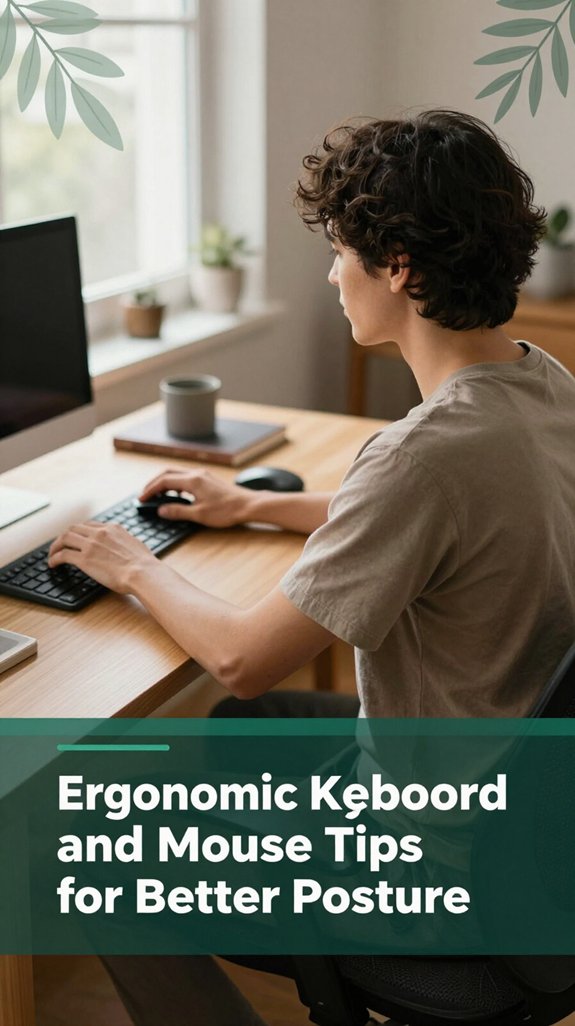
If you’ve ever felt like your wrists are about to explode after a long typing session, you’re not imagining things your keyboard height and wrist position matter a ton. According to OSHA ergonomic guidelines, keeping your keyboard close enough so you don’t have to reach forward helps prevent unnecessary strain.
Aim for a distance of about 5–10 centimeters (which is approximately 2–4 inches) from the desk edge, since stretching out just adds to tendon and ligament stress. Maintaining proper keyboard distance also helps prevent shoulder blade tension and forward head posture. Keep your elbows near your sides, bent about 90° (which promotes optimal shoulder and upper arm comfort), to avoid shoulder fatigue.
You should center your keyboard with your monitor so that your “B” key is roughly in line with your body, helping to maintain proper midline alignment and reduce thoracic kyphosis. All keys should be reachable without shrugging shoulders or leaning forward, which can cause neck and upper back tension. Adjust your keyboard so your forearms are parallel to the floor this position supports neutral wrist posture aiming for a slight extension or neutral wrist angle as recommended by research on spinal biomechanics.
Play with height and tilt until your wrists feel comfortable, relaxed, and pain-free trust me, your tendons and carpal tunnel area will thank you. Proper adjustments can reduce risks associated with repetitive strain injuries such as carpal tunnel syndrome, tendinitis, and thoracic outlet syndrome. Additionally, incorporating ergonomic accessories like wrist rests can further promote wrist health and comfort during prolonged typing sessions.

Sometimes it feels like your muscles get stuck like they’re trying to hold a pose forever especially when you’ve been glued to your desk for hours. According to OSHA ergonomic guidelines, static postures such as sitting still or standing without movement are linked to many musculoskeletal complaints, including lower back and neck pain.
When you stay in one position for an extended period, your muscles and tissues don’t receive the oxygen and nutrients they need; blood flow slows, and fatigue settles in. Proper ergonomic design can help reduce the need for sustained static postures by encouraging movement and altering positions throughout the day.
Research on spinal biomechanics suggests that microtraumas can develop from prolonged static positions, leading to discomfort and potential injury. Moving around, even briefly standing or stretching, helps increase blood flow to muscles like the lumbar erectors, cervical trapezius, and thoracic paraspinals.
This action floods the muscles with fresh blood, clears out metabolic waste, and reduces the risk of pain and muscle fatigue. Incorporating ergonomic movement strategies into your routine can further support musculoskeletal health and prevent injury. Breaks aren’t just beneficial they are vital for maintaining musculoskeletal health. Incorporating regular movement and stretching into your daily routine can prevent the onset of conditions such as sciatic nerve irritation or thoracic kyphosis.
| Standing | Sitting |
|---|---|
| Less strain on your lumbar, thoracic, and cervical spine muscles, reducing the risk of injury according to OSHA ergonomic guidelines | Sitting for extended periods increases micro-stresses on spinal tissues, which can contribute to chronic lower back pain and disc degeneration. These micro-stresses may accumulate, leading to conditions like herniated discs or sciatica if not mitigated. Introducing standing periods helps to break this cycle. |
| Varies load on spinal tissues, promoting healthier intervertebral disc hydration and decreasing repetitive stress | Repetitive strain from staying still too long can lead to thoracic kyphosis and proximal muscle fatigue, increasing discomfort and the risk of musculoskeletal disorders. Alternating positions provides necessary variation, supporting spinal health. |
| Increased energy expenditure by engaging more muscle groups, which boosts circulation and combats fatigue | Sedentary sitting promotes discomfort and fatigue by narrowing blood flow and causing muscular stiffness. Standing encourages movement and circulation, helping you feel more alert and less sluggish after lunch, per Mayo Clinic recommendations. |
| Standing also helps to break the cycle of sedentary behavior, which is linked to a higher risk of metabolic and cardiovascular diseases, as supported by OSHA health guidelines. Research indicates that incorporating more standing into your work routine can lead to improvements in cardiovascular health and overall energy levels.
When you spend hours hunched over your computer, it’s easy to dismiss that little twinge in your neck or the tightness creeping into your shoulders as just part of the job. But here’s the thing: most neck and upper back issues stem from poor posture such as leaning forward or holding your head excessively ahead of your shoulders.
According to OSHA ergonomic guidelines, this strain causes neck muscles to work overtime, which over time can lead to conditions like muscle strain, cervical spondylosis, or persistent headaches. Additionally, musculoskeletal disorders are a leading cause of workplace injuries, emphasizing the importance of proper ergonomic practices.
Similarly, if your chair doesn’t adequately support your lumbar region, or if your monitor is positioned too low (below eye level), you increase your risk of experiencing lower back pain, intervertebral disc issues, or shoulder problems. People who sit more than 6 hours a day should pay particular attention to their ergonomic setup, as prolonged sitting exacerbates musculoskeletal strain.
Small adjustments like raising your chair to keep your hips slightly above your knees or elevating your monitor to eye level can significantly reduce unnecessary stress on your lumbar and cervical spine. Making correct chair adjustments can help sustain a neutral posture and prevent discomfort throughout your workday.
All right, so you’ve probably spent more than a few minutes thinking about whether your chair is comfortable or if your monitor’s the right height.
You want to make sure your posture isn’t an awkward dance of reaching or slouching, right? Here’s the secret: evaluate your workspace like a health detective.
Check your seated posture ensure your ears are aligned over your shoulders, your spine maintains its natural S-shape (according to OSHA ergonomic guidelines), and your hips are slightly higher than your knees. Adjusting your chair properly can significantly reduce musculoskeletal strain. Proper alignment helps reduce strain on your lumbar, thoracic, and cervical regions. Make sure your feet are flat on the floor or on a footrest, especially if your chair doesn’t adjust to optimize lower limb positioning.
Align your ears over shoulders, keep your spine’s natural curve, and hips slightly higher than knees for optimal comfort.
Your elbows should be near a 90-degree angle (per Mayo Clinic recommendations), which minimizes shoulder and wrist stress.
Then, look at your monitor position the top at or just below your eye level, which supports cervical spine health, and keep it at arm’s length to prevent eye strain. Regularly monitoring your workspace setup ensures you maintain ergonomic standards consistently.
Keep your most-used items within easy reach to avoid reaching excessively, which can cause shoulder and upper back issues.
Ongoing workspace assessment can prevent musculoskeletal problems like carpal tunnel syndrome, thoracic kyphosis, or lower back pain caused by poor ergonomics.
Getting your team on board with ergonomic best practices isn’t just about handing out a few pamphlets and hoping for the best; it’s about ensuring everyone knows how to sit, move, and set up their workspace in a way that keeps them comfortable and prevents pain down the line.
According to OSHA ergonomic guidelines, proper posture can reduce the risk of musculoskeletal disorders such as low back pain, neck strain, and carpal tunnel syndrome. You know that feeling when your neck stiffens after hours at the keyboard or your wrists start tingling? That’s your body telling you to pay attention.
Research on spinal biomechanics suggests that sustained poor positioning can contribute to conditions like cervical radiculopathy and thoracic kyphosis. To prevent these issues, you’ll want to train your team on proper sitting posture, how to adjust ergonomic chairs and desks, and the importance of taking micro-breaks every 20 to 30 minutes. Implementing ergonomic training has been shown to significantly reduce discomfort and improve overall employee well-being.
Proper ergonomic setup involves maintaining a neutral spine position where the lumbar, thoracic, and cervical curves are supported. For example, chairs should feature adjustable lumbar support, and monitors should be placed at eye level to prevent neck strain.
Micro-breaks, which involve brief physical activity or stretching, help reduce muscular fatigue and promote circulation. Additionally, educating employees on monitor height and head posture can further prevent strain and discomfort. All right, perhaps this all sounds simple, but when everyone gets it right, productivity and happiness increase. Plus, fewer aches mean fewer sick days, making ergonomics a practical investment for your team’s wellbeing.
Creating an effective ergonomic program at work isn’t just about telling everyone to sit up straight and hope they get it right. You’ve got to set things up correctly from the start. Here’s what you do:
1. Get management involved: They need to support it with policies, a dedicated budget, and a comprehensive plan. Think of it like a team sport, not a solo effort. Management backing ensures that ergonomic initiatives are prioritized and sustained.
2. Analyze jobs systematically: Review what everyone’s doing postures, reaches, and force exertion as recommended by OSHA ergonomic guidelines. Use surveys, video recordings, and logs to identify hotspots. Focus on pain points related to prolonged static postures, repetitive motions, or awkward reaching, rather than relying on guesses. Proper analysis helps ensure that interventions are targeted effectively. Incorporating biomechanical causes can help clarify underlying issues contributing to discomfort.
Accurate analysis helps target interventions effectively.
Thorough analysis ensures targeted, effective ergonomic solutions that genuinely improve workplace safety and comfort.
3. Prioritize and control: Rank risks based on severity and frequency of exposure. Address the biggest problems first with adjustable desks, ergonomic chairs, or microbreaks. Small adjustments, like lumbar support or monitor height, can significantly reduce strain and mitigate conditions such as lower back pain or thoracic kyphosis.
Remember, incremental changes add up over time.
This step-by-step approach builds a healthier workspace, reducing injury risk and improving comfort for all employees.
If you’ve ever spent hours staring at your screen, you probably know that ignoring ergonomic guidance can turn your shoulder ache into a full-blown saga. Now, you might think, “It’s just a little discomfort,” but OSHA says those little aches can actually develop into serious musculoskeletal disorders think carpal tunnel syndrome, thoracic kyphosis, or low back pain according to OSHA ergonomic guidelines.
That’s nothing to brush off. Proper ergonomics involve not just posture but also correct workstation design, including the placement of essential tools and equipment to support long-term health. So, how do you protect your team? It’s simple: follow OSHA’s guidance on maintaining a neutral posture support that lumbar, thoracic, and cervical spine, keep shoulders relaxed, and elbows bent comfortably at approximately 90 degrees (which helps reduce strain).
Make sure desks and chairs fit just right to support proper alignment. Investing in adjustable furniture and placing screens at eye level isn’t just a luxury; it’s essential for ergonomic health. Remember, proper workstation setup can significantly reduce the risk of body aches and prevent conditions like repetitive strain injuries and sciatica.
You should aim for a quick break about every 20 to 30 minutes, ideally 10-15 seconds if it’s just microbreaks, and a longer one of 3-5 minutes every hour or two.
I know, it feels like you’re wasting time, but your body needs those moments to reset your neck, shoulders, and eyes will thank you.
Think of it as giving your muscles and eyes a tiny, much-needed “refresh” button!
You should aim for adjustable setups in shared workstations, so anyone can find their neutral posture quickly.
Think adjustable chairs, desks, and monitor arms tools making it easy to switch between different body types without fuss. The key is quick-to-use levers and clear marks.
Also, space matters enough room to stretch out or pivot. When you set it up this way, you all stay comfy, and injury risk takes a nosedive.
If you’re constantly shifting, feeling stiffness, or noticing numbness and headaches, it’s a clear sign you need to tweak your setup.
All right, your body’s telling you it’s working overtime to compensate maybe your chair’s too low, monitor’s too high, or your keyboard’s at the wrong angle.
Now, if your neck’s sore after a few hours or your back feels like a crushed soda can, that’s your cue to adjust don’t wait until you’re walking like a robot at the barbecue!
You can quantify the benefits by tracking injury and claim costs before and after ergonomic tweaks like fewer MSD claims and lower medical expenses.
Measure productivity gains through work output, error reduction, and less sick leave. Keep tabs on absenteeism and turnover fewer sick days mean savings.
Honestly, it adds up, especially when you realize that investing in comfort can slash costs while keeping your team happier and more effective.
Yes, ergonomic improvements can definitely help cut your workplace health insurance costs.
When you tweak your desk, chair, or monitor placement, you reduce those annoying aches that lead to doctor visits and prescriptions. Less pain means fewer claims, shorter treatments, and fewer surgeries down the line.
Plus, happier, more comfortable employees work better and get sick less often, which keeps your insurance premiums from skyrocketing. It’s a win-win, really.
Alright, buddy, here’s the thing: your workspace is your haven or your hazard. By balancing, leaning, and breaking, you’ll keep aches away and your energy engine running smoothly. You already know the feeling your neck nags, your back balks, and your eyes itch. So, take a tiny step today: position, posture, pause. It’s simple stuff that saves you from suffering making your workplace a well-oiled, ergonomic engine of comfort.