Physical Address
304 North Cardinal St.
Dorchester Center, MA 02124
Physical Address
304 North Cardinal St.
Dorchester Center, MA 02124


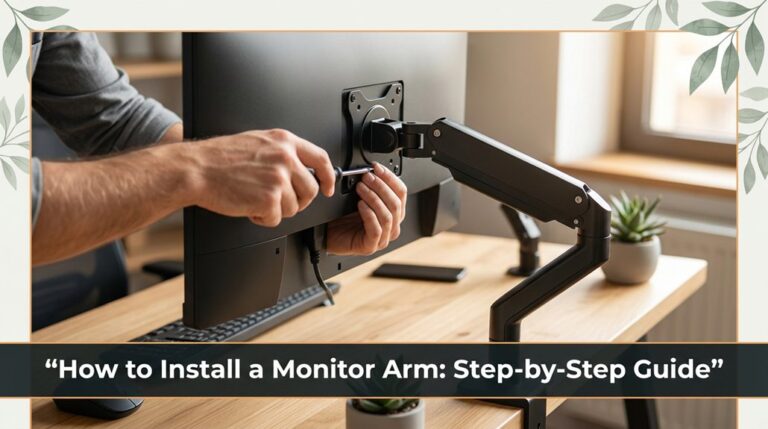
Learn how to install a monitor arm correctly with this clear guide. Ensure proper setup for comfort and stability, including measuring your desk and mounting securely.
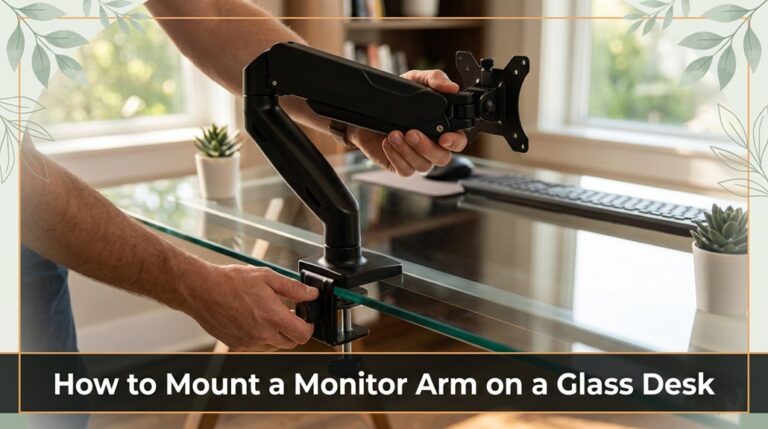
Learn how to securely mount a monitor arm on a glass desk. Follow these tips to prevent cracks, ensure stability, and maintain safety.
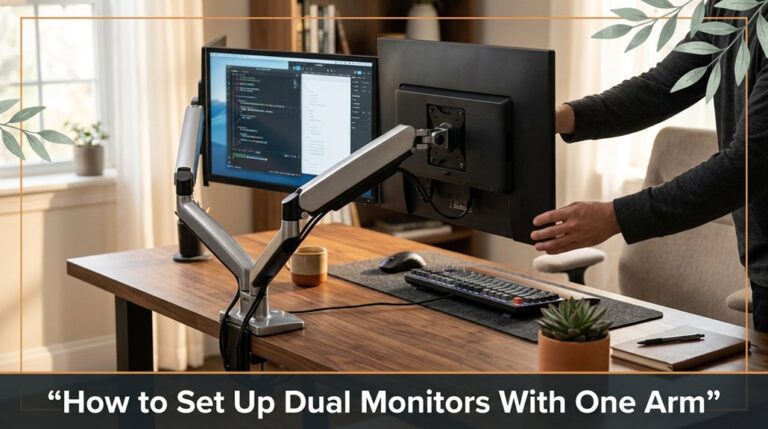
Learn how to set up dual monitors on a single arm effectively. Follow these steps to ensure stability, proper positioning, and a tidy workspace, including tips on choosing the right mount and managing cables.
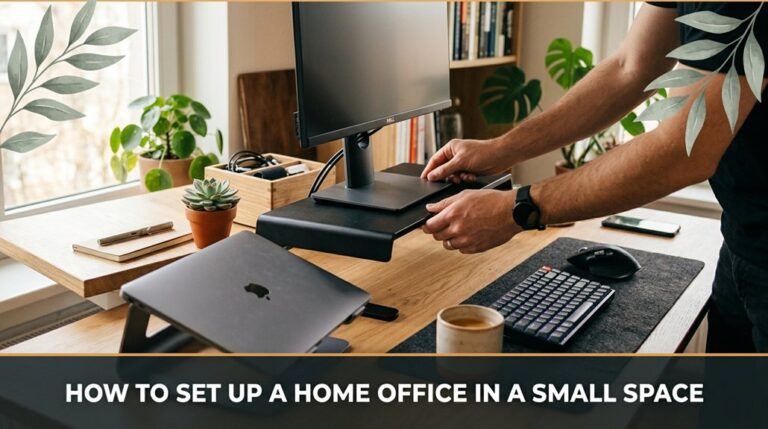
Learn how to set up an efficient home office in a small space with tips on measuring, choosing compact furniture, organizing cables, and optimizing lighting for a comfortable work environment.
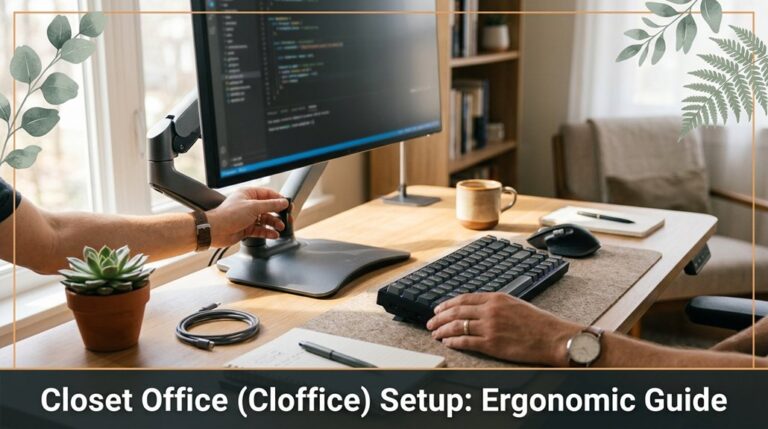
Learn how to set up your clooffice effectively with ergonomic tips, including proper desk and chair placement, monitor height, lighting, and organization to ensure a comfortable and efficient workspace.
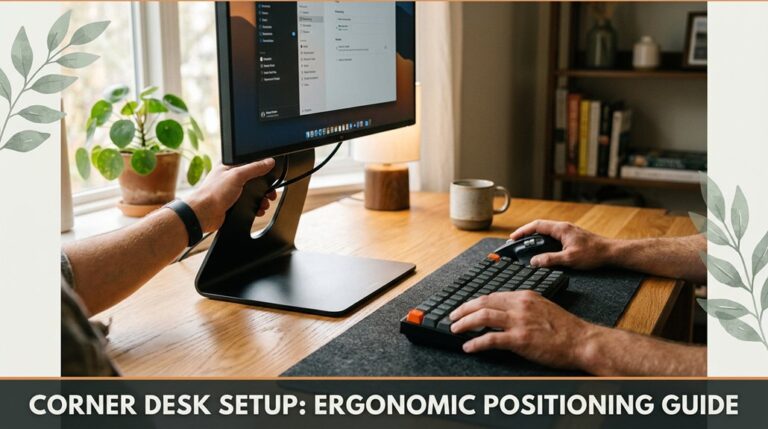
Learn how to ergonomically set up your corner desk for better comfort and productivity. Discover tips on monitor height, keyboard placement, and chair adjustments to create an ideal workspace suited to your space.
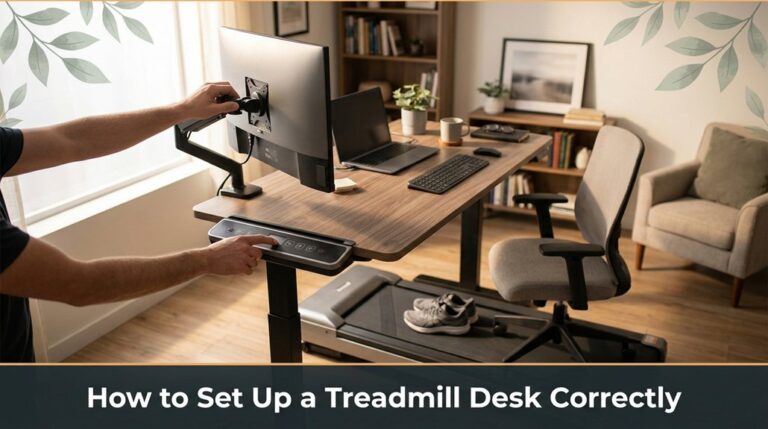
Learn how to set up your treadmill desk safely and efficiently, including optimal space, desk height, monitor placement, and safety tips for comfortable working while walking.
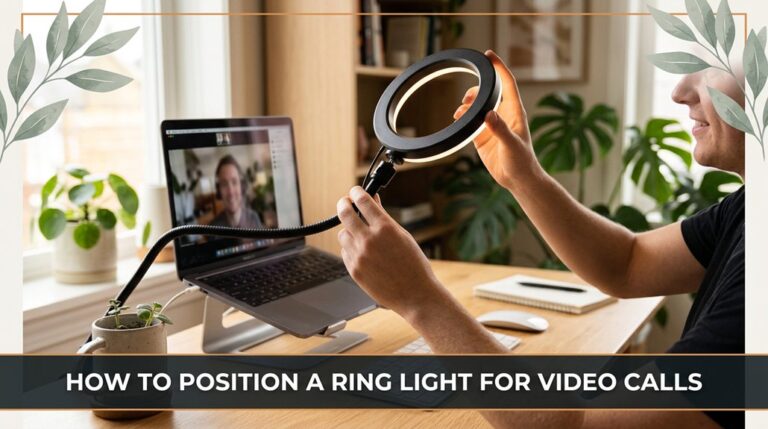
To improve your video call appearance, position your ring light just above eye level, about 6 to 12 inches away, and tilt it downward by 15-30 degrees. Adjust brightness and color temperature until you achieve a natural glow, ensuring even lighting and minimizing shadows for a professional look.
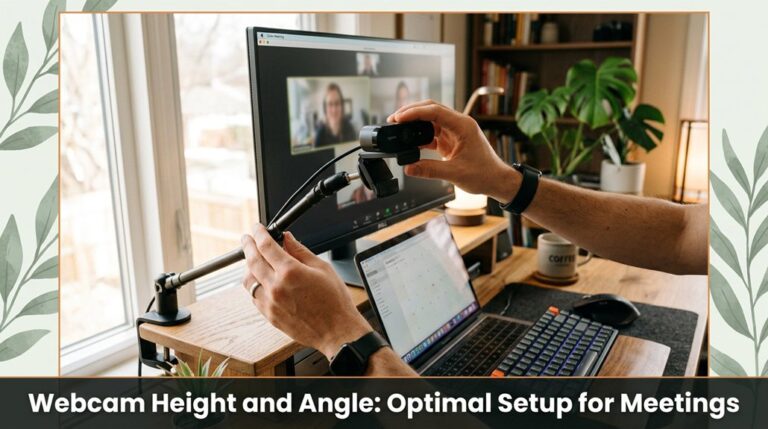
Proper webcam height and angle improve your video call presence. Keep the camera eye level, 20-30 inches from your face, and adjust lighting for clarity. Ensuring a steady mount and avoiding auto-focus distractions will make your virtual meetings more professional.
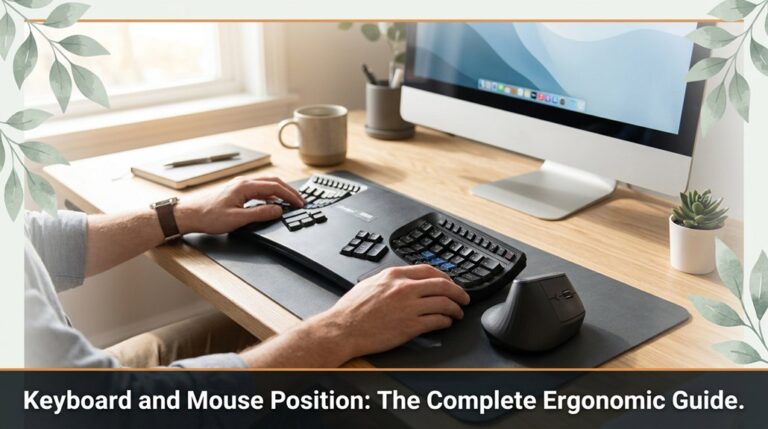
Learn how to position your keyboard and mouse for optimal comfort and prevent pain. Adjust your elbows, keep wrists straight, and maintain proper distance to enhance your ergonomic setup and reduce strain.