Physical Address
304 North Cardinal St.
Dorchester Center, MA 02124
Physical Address
304 North Cardinal St.
Dorchester Center, MA 02124

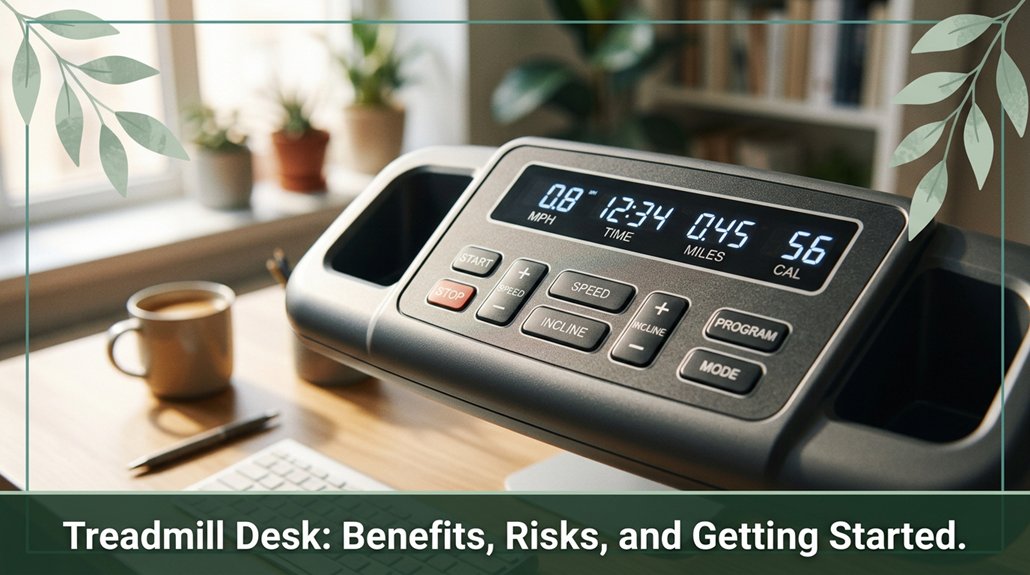
Feeling stiff in your back or hit with an energy crash after sitting all day? You’re not alone many of us experience the same. A treadmill desk could be a game-changer, helping you stay moving without disrupting your workflow.
It’s great for burning extra calories and cutting down the health risks of sitting too long, like heart problems and spine issues. Just remember to start slow, tweak your setup, and listen to your body. Keep reading for the full scoop on how to make it work for you.
This article contains affiliate links. If you purchase through them, I may earn a small commission at no extra cost to you. I only recommend products I genuinely believe in.
A treadmill desk is essentially that innovative combination of a treadmill and a standing desk, all integrated because space constraints often make separate units impractical. You walk slowly usually between 0.5 to 3 miles per hour while working, which combines movement with productivity.
The core components include a low-profile conveyor belt and an adjustable work surface designed to hold your monitor, keyboard, and mouse. You control the treadmill’s speed with a remote or a built-in console, and some models feature sensors that detect your presence to automatically pause the belt when you step away.
Research indicates that treadmill desks can significantly reduce sedentary behavior and contribute positively to cardiometabolic health. The benefits of a treadmill desk are clear more daily movement and reduced sedentary time, which research on spinal biomechanics suggests can improve lumbar health and overall well-being.
However, be cautious of risks such as tripping, poor posture, or fatigue if you increase your walking intensity too quickly. It’s advisable to start slow, wear supportive footwear, and keep your monitor at eye level to prevent neck strain and maintain proper cervical alignment. Additionally, ergonomic adjustments such as proper posture and supportive seating are crucial to ensure the prolonged use of treadmill desks does not lead to musculoskeletal discomfort.
If you’ve ever finished a long workday feeling more drained than when you started, you’re not alone and it’s partly because sitting all day is like asking your body to do a marathon without the training, according to OSHA ergonomic guidelines.
Here’s the thing: a treadmill desk can change that. It increases your energy expenditure by around 105 calories an hour during slow walking, which can help you burn more overall calories more than 74 extra calories per day, per research on caloric expenditure related to light activity.
Additionally, it reduces your sitting time, which experts agree isn’t beneficial for your cardiovascular health or metabolic function. Prolonged sitting can contribute to issues like lumbar disc compression, thoracic kyphosis, and decreased circulation, so breaking up sitting periods with gentle walking can mitigate these risks.
Research shows that regularly alternating between sitting and walking can significantly decrease the risk of certain chronic diseases. Moving more throughout the day also supports maintaining spinal and muscle health, which is vital for overall back comfort and posture.
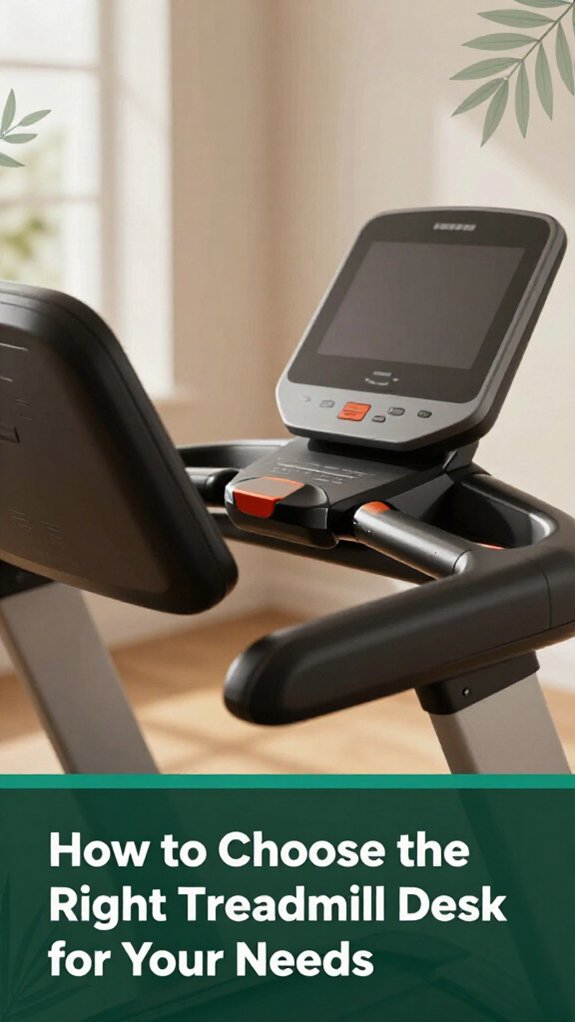
Look, figuring out which treadmill desk works best for you can feel overwhelming, like trying to choose a mattress when all you have are reviews and a gut feeling. First, measure your space; you don’t want to buy something that barely fits and then realize you can’t walk without knocking over your monitor.
Check the treadmill’s belt length, as online images can be misleading the belts often appear shorter than they actually are.
Think about speed as well. You’ll want a comfortable walk zone, around 1.2 to 2.5 miles per hour, which allows for a natural, upright walking posture. According to OSHA ergonomic guidelines, a walking pace within this range helps reduce strain on the lumbar and lower limb muscles and minimizes the risk of repetitive strain injuries.
Also, ensure the treadmill has enough duty cycle to run without overheating many models specify this in hours of continuous use. Motor power and duty rating are critical, as a treadmill designed for continuous use with proper ventilation will last longer and perform more reliably.
Noise level is an important consideration if you share walls or have work calls; quieter motors help maintain a professional environment and avoid disturbing colleagues or family members.
For stability, choose a model with a solid frame made of durable materials, as well as an adjustable desk that aligns with your standing height and supports your monitor setup securely.
And don’t forget that costs include warranties, accessories, and long-term maintenance these factors impact the overall value of your investment.
Getting your treadmill desk set up and ready to use might feel a little overwhelming at first like assembling furniture with no instructions especially when you’re eager to walk and work simultaneously. Here’s what you need to do:
Now, don’t skip the emergency stop; test it immediately to ensure it functions correctly in case of emergencies.
Set the treadmill speed low around 0.4 mph (a pace suitable for walking while working) and monitor for strange noises.
Check that your monitor is eye level to avoid neck strain and limit thoracic kyphosis. Easy does it!
The number one rule for keeping yourself in one piece while walking and working at your treadmill desk is to prioritize your ergonomics. Look, you want your monitor at eye level, not bending your neck like a curious puppy, according to OSHA ergonomic guidelines. Keep it about an arm’s length away so your eyes don’t get cranky; this distance helps reduce eye strain. If you can adjust that monitor easily, even better, as dynamic positioning supports cervical spine health.
Your keyboard should sit at a height that keeps your elbows at roughly 90°, saving your shoulders from a barrage of complaints and reducing the risk of repetitive strain injuries. Desk height is key aim for a level where your elbows stay comfy and not up near your ears; this position promotes optimal upper limb ergonomics.
All right, remember to take tiny breaks stretch calves, hips, wrists so your joints don’t turn into squeaky hinges, which can lead to musculoskeletal discomfort over time.
And finally, wear good shoes nonslip and cushioned so you actually want to stand rather than dance awkwardly across your floor. Proper footwear enhances stability and reduces fatigue, making your treadmill work session safer and more comfortable.
When you’re working on a treadmill desk, safety isn’t just about avoiding slips and falls; it’s about setting yourself up for a smooth, sustainable experience. You don’t want to be that person suddenly stumbling because your shoes lost grip or your speed was too high.
Here are some tips to stay safe:
Trust me, little precautions now save you from a “what just happened?” moment later.
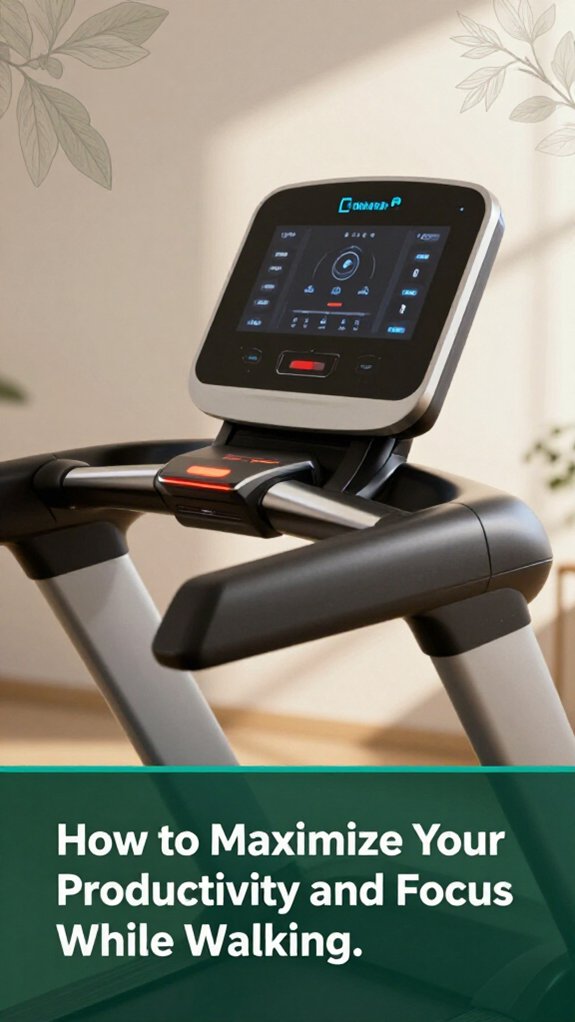
Walking and working might seem straightforward just put one foot in front of the other, right? However, if you want to stay productive and maintain focus during movement, there are some effective tricks to consider.
Keep your desk at elbow height, which helps maintain neutral wrist positioning according to OSHA ergonomic guidelines, preventing carpal tunnel syndrome. Your monitor should be at eye level to avoid neck strain and thoracic kyphosis, which research on spinal biomechanics suggests can lead to discomfort over time.
Place your keyboard and mouse within easy reach to prevent shoulder hunches and reduce strain on the cervical and upper thoracic regions.
Set your treadmill to a speed of 1.0-1.5 mph for tasks like email review or phone calls you’ll barely notice the movement, and it can enhance circulation without distraction. For more intensive tasks such as writing or data analysis, increase the speed to 1.5-2.0 mph, but remember that taking short breaks between tasks can help reset your focus and reduce muscular fatigue.
Aim to accumulate approximately 5,000-10,000 additional steps each day, which supports cardiovascular health and overall movement, especially for people who sit more than 6 hours a day.
Don’t forget to lean into the rhythm while walking this dynamic posture benefits your muscles, lumbar and sacral regions, and your mental clarity. Your brain, muscles, and back will thank you for integrating movement into your daily work routine.
The key takeaway is to incorporate deliberate, ergonomic considerations to maximize productivity and reduce physical discomfort during walking and working.
A good understanding of your office chair’s lifespan and maintenance can help you prevent discomfort and injury while maintaining overall ergonomic health.
You’re probably thinking that if you’re healthy and just want to sneak in some movement while working, a treadmill desk sounds perfect.
But hold on: there are times you should steer clear of using one or consult a professional first.
If you’ve had recent heart issues, uncontrolled blood pressure, or a recent heart event, walking can disrupt your rhythm and potentially exacerbate your condition, according to Mayo Clinic recommendations.
People with severe joint problems such as degenerative osteoarthritis of the knees or hips risk worsening their pain with treadmill walking.
Individuals with balance issues, dizziness, or nerve problems in the feet should avoid using a treadmill desk because impaired proprioception increases the risk of falls and injuries.
If you’re still recovering from surgery, experiencing muscle weakness, or dealing with spinal issues like herniated discs or thoracic kyphosis, it’s safer to wait until fully healed; research on spinal biomechanics suggests these conditions can be aggravated by dynamic movement.
Additionally, if you notice new dizziness, chest discomfort, or shortness of breath during treadmill use, it’s essential to see a healthcare professional immediately to rule out serious cardiovascular issues.
All these points highlight the importance of listening to your body and seeking professional advice when uncertain.
Consulting a healthcare provider or ergonomic specialist will help you avoid injury or setbacks.
Getting comfortable with a treadmill desk can feel a bit like trying to walk and chew gum at the same time awkward, uncertain, and maybe even a little frustrating at first. The key is making small adjustments until it feels natural. Here’s a quick guide:
| Challenge | Solution |
|---|---|
| Neck strain | Position your monitor at eye level to prevent excessive craning of the cervical spine. According to OSHA ergonomic guidelines, neck strain often results from monitor heights below eye level. |
| Fatigue | Use a footrest or anti-fatigue mat to support circulation in the lower limbs and reduce muscle fatigue. Research on spinal biomechanics suggests that proper support can help prevent lower limb and lumbar discomfort. |
| Slipping shoes | Wear nonslip, well-fitted shoes to ensure secure footing on the treadmill belt. Wearing appropriate footwear helps prevent slips and falls, especially on moving surfaces. |
Remember, take it one step at a time. Regularly check your posture, including maintaining a neutral lumbar curve and keeping your shoulders relaxed. Adjust your walking speed gradually many ergonomists recommend starting with slow, comfortable speeds to avoid overexertion.
Don’t rush into long walking sessions; building endurance and proper form takes time. Over time, your body will adapt, and you’ll experience less discomfort a sign that you’re developing a sustainable ergonomic practice.
Yes, treadmill desks can help with long-term weight management if you’re consistent.
All right, I’ll admit, they’re not miracle workers, but they do boost your daily calorie burn by about 100–150 kcal per hour. That adds up over time.
Plus, they help you sit less, which we both know is a good thing for overall health.
Just remember, it’s about creating habits, not expecting instant results.
Alright, if you’re hitting the treadmill desk, go for shoes with a wide toe box like Brooks Ghost Max or Hoka Clifton 10.
You want durability Puma ForeverRun Nitro 2’s got that and cushioning that won’t compress fast, like ASICS Gel-Nimbus 27.
Breathability’s key.
And don’t forget, rotating two pairs can really stretch out their lifespan, so mix it up! Your feet will thank you.
Walking at around 2.25 km/h is your sweet spot it keeps your productivity pretty close to sitting, without making you stumble over your keys.
Honestly, if you go much slower, you might feel sluggish, and faster speeds could throw off your rhythm, making typing harder.
So, try starting there, get comfy, and watch how it balances movement with focus.
Your body will thank you for keeping it steady and manageable.
You should do exercises like hip openers, ankle circles, and core stabilizers to prevent strain.
Did you know that just 10 seconds of ankle circles can improve foot comfort?
All right, here’s the thing your hips and ankles take a beating from prolonged standing, so stretch and move those areas.
Planks and bird-dogs target your core, supporting your lower back and preventing that “I’m going to fold in half” feeling.
Trust me, your body will thank you!
You can seamlessly integrate treadmill desks into team work by scheduling walking during low-cognitive tasks like email or quick reports.
Pair walking with collaborative tools shared calendars make it easier. Use walk-and-talk calls for brainstorming or quick check-ins, and reserve seated time for deep focus.
This keeps everyone moving and engaged without sacrificing productivity. Trust me, your body and mind will thank you plus, the added steps beat coffee breaks any day.
So, here’s the thing using a treadmill desk can boost your step count by about 2,000 extra steps a day, and let’s be honest, that’s no small feat, especially when you’re caught up in work. Sure, it takes some getting used to, and yes, your neck might protest if you ignore ergonomics. But with patience and a good setup, you could find yourself feeling more energized and less sluggish. Trust me, once you get the groove, it’s worth it.