Physical Address
304 North Cardinal St.
Dorchester Center, MA 02124
Physical Address
304 North Cardinal St.
Dorchester Center, MA 02124

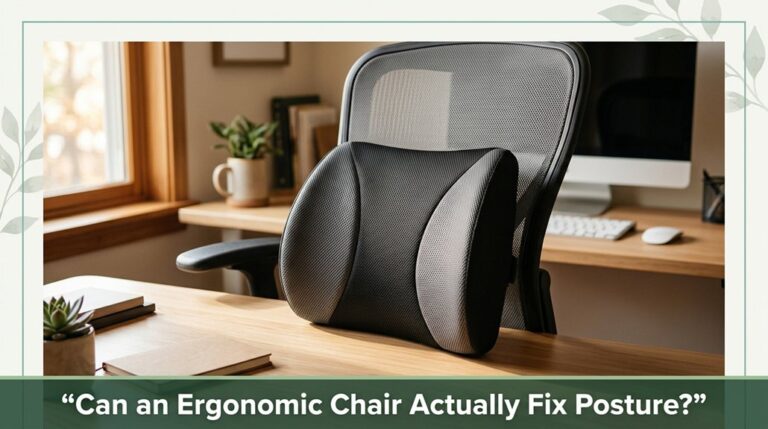
Discover whether ergonomic chairs support better posture and how to complement them with proper habits and workspace setup for lasting comfort.
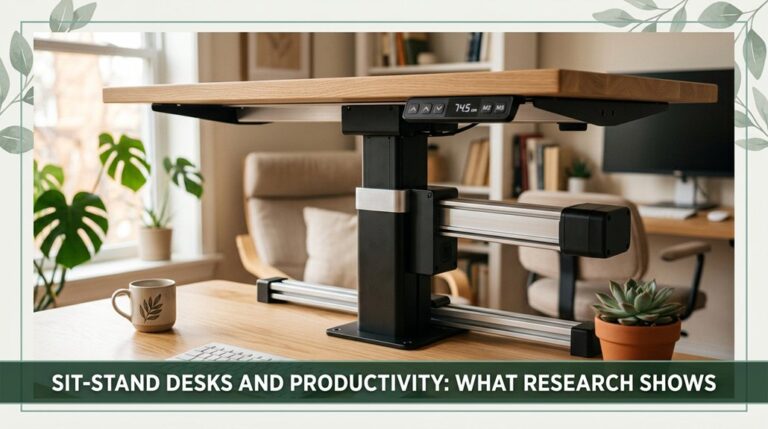
Switching to sit-stand desks can boost your productivity by reducing discomfort and increasing circulation, helping your brain stay sharp without sacrificing work performance.
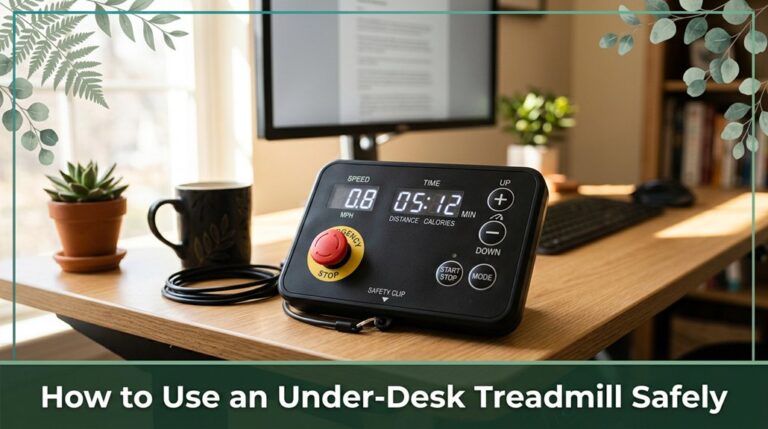
Learn essential tips for using an under-desk treadmill safely, including proper setup, maintaining awareness, and preventing accidents for a healthier, more productive workday.
Look, pedaling at your desk can actually be effective if you keep it low-resistance and don’t go full sprint. All right, it keeps your blood flowing, helps burn extra calories, and prevents that stiff feeling you get after sitting all…
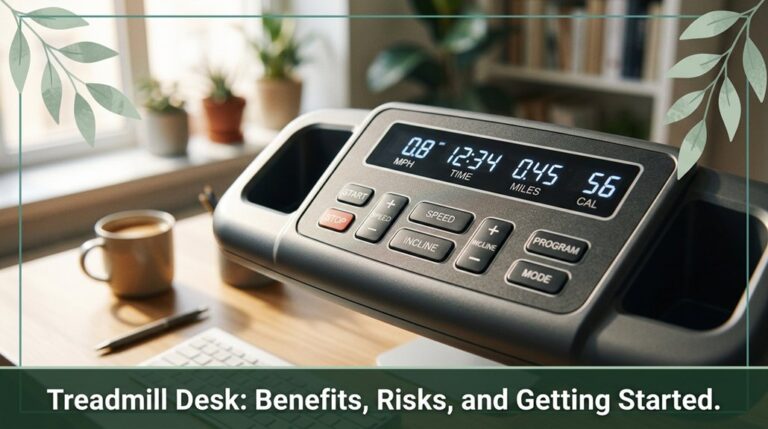
Learn how a treadmill desk can reduce sitting-related risks, boost energy, and improve health. Get tips on starting safely and customizing your setup for optimal benefits.
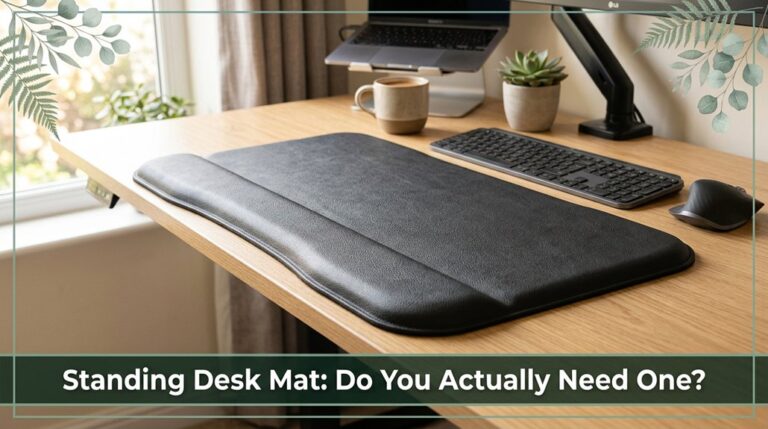
If you stand for hours at your desk, a standing desk mat can reduce fatigue and improve circulation. Learn how these mats can make your workday more comfortable and less tiring.
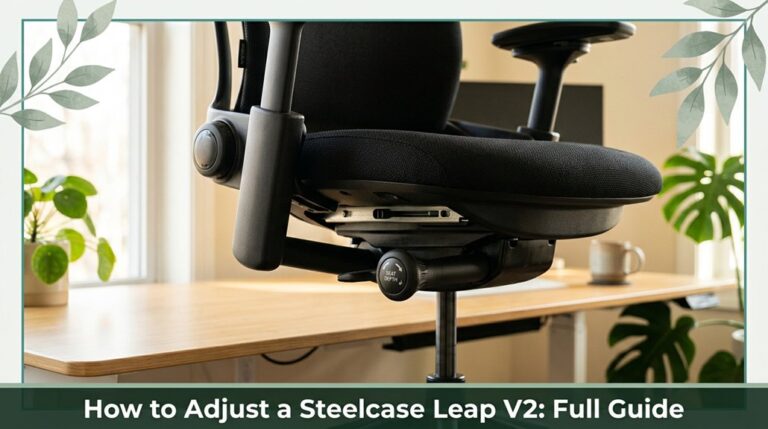
Learn how to adjust your Steelcase Leap V2 chair for optimal comfort and support, including seat height, depth, tilt, tension, and lumbar. Plus, tips to prevent stiffness after hours.
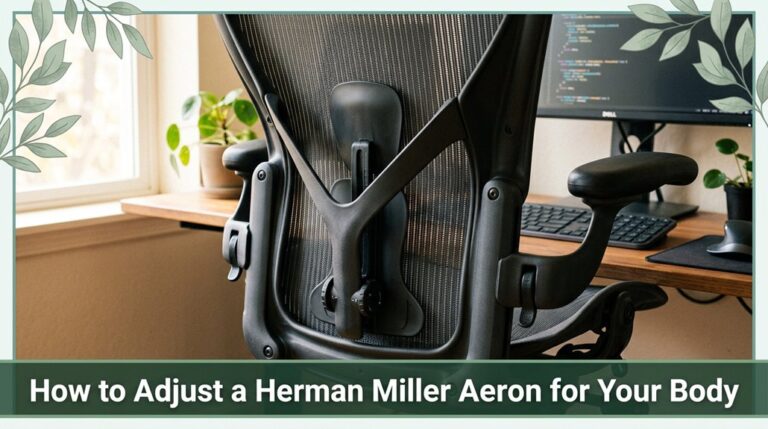
Learn how to customize your Herman Miller Aeron chair for optimal comfort and support, including key adjustments for posture and long-term health.
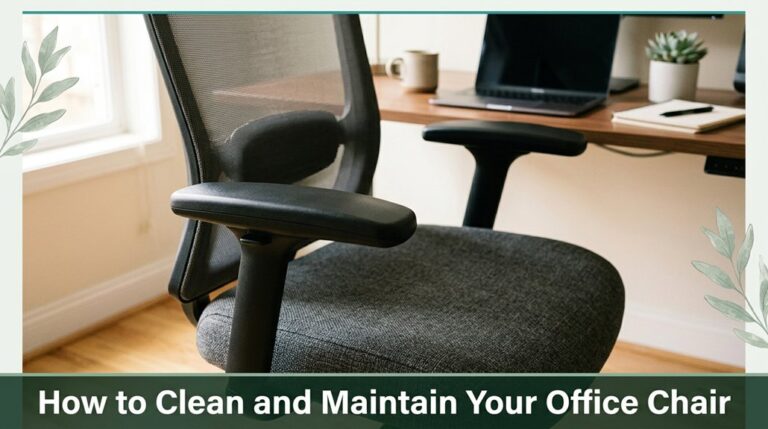
Learn how to maintain your office chair to prolong its lifespan and keep it comfortable. Follow tips on cleaning, spot removal, and lubrication to ensure your chair stays in top condition.
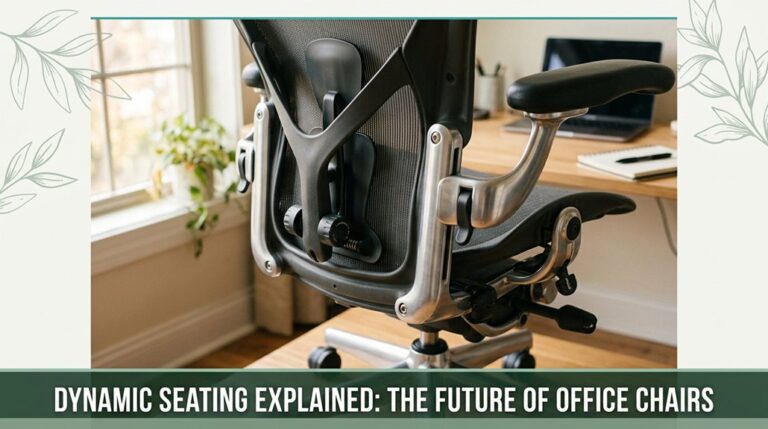
Discover how dynamic seating in office chairs promotes better posture, improves health, and increases comfort by enabling subtle movements that engage your core and enhance blood flow.