Physical Address
304 North Cardinal St.
Dorchester Center, MA 02124
Physical Address
304 North Cardinal St.
Dorchester Center, MA 02124

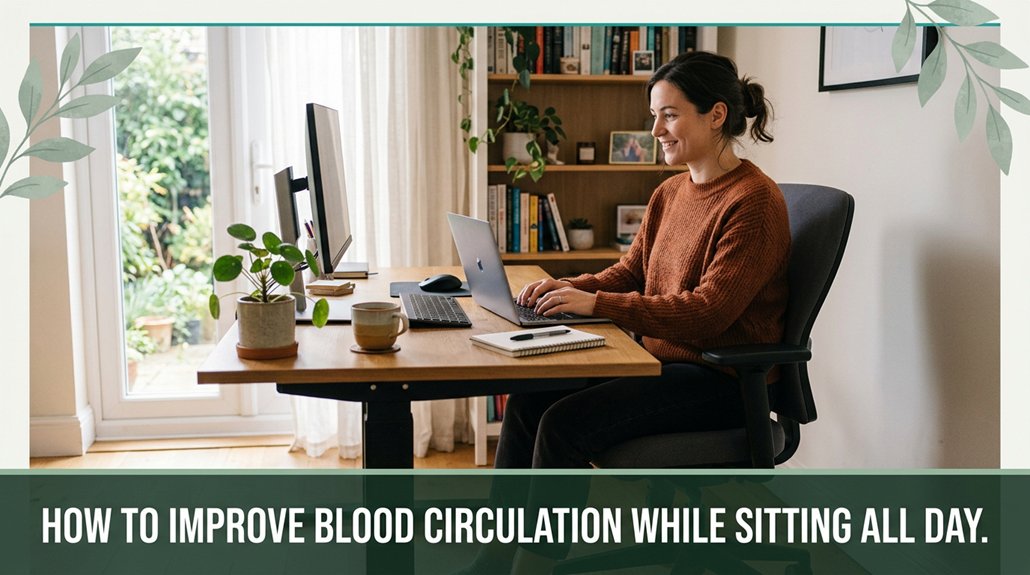
If you spend your days sitting at a desk, you’ve probably noticed your legs feeling heavy or tired that’s your blood slowing down. Taking a few simple steps can make a real difference in keeping the blood flowing smoothly. Try standing up and walking around every now and then, or do easy ankle pumps and heel-toe lifts right at your desk. Keep your posture in check feet flat and ankles at 90 degrees and consider switching to a sit-stand desk if you can. These small changes help energize your body and keep your blood moving, so you stay more comfortable and alert throughout the day.
This article contains affiliate links. If you purchase through them, I may earn a small commission at no extra cost to you. I only recommend products I genuinely believe in.
All right, let’s be honest you know that sluggish, heavy feeling in your legs after sitting for a while. That’s because when you sit too long, your calf muscles stop doing their job that is, the “muscle pump” that helps blood return to your heart. According to Mayo Clinic recommendations, the calf muscles play a vital role in promoting healthy circulation, especially when sitting.
Without this muscle activity, blood pools in your lower legs and feet, making everything feel heavy, swollen, and perhaps even veiny. Add in the pressure from leaning or slouching, which compresses veins and increases venous pressure, according to OSHA ergonomic guidelines. This squeezing effect worsens circulation and elevates the risk of varicose veins and blood clots.
Sitting for extended periods more than 6 hours a day can significantly decrease blood flow, cause fluid buildup, and contribute to vascular issues. Extended sitting not only reduces circulation but also impacts metabolic health, raising the risk of insulin resistance and weight gain. Incorporating movement and ergonomic adjustments can help counteract these effects and improve overall blood circulation.
If you want to improve circulation while sitting, it’s essential to break up these long sitting spells. Regularly standing, stretching, or performing seated ankle pumps can help activate your calf muscles and promote healthier blood flow.
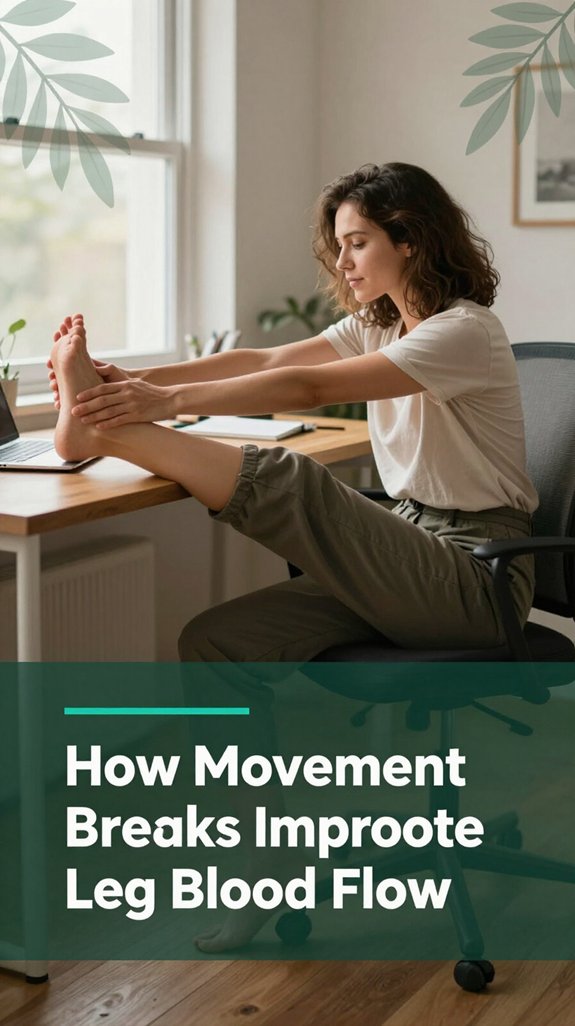
When you take a quick 5-minute walk every half hour, you’re doing way more than just standing up you’re giving your legs a little rescue mission. That tiny break activates your calf and thigh muscles, acting like a second heart, pushing blood back up toward your torso.
It’s like hitting pause on stagnation refreshing your circulation and helping prevent swelling, according to Mayo Clinic recommendations. Engaging in these movement breaks can also help counteract the sedentary behavior associated with prolonged sitting.
Check out this quick idea table:
| Simple Moves | Why They Work |
|---|---|
| Walk or shuffle in place | Activates muscle pumps to propel blood, according to research on spinal biomechanics suggests |
| Heel–toe raises | Strengthen calf muscles, improve blood flow, and support ankle stability |
All right, keep those legs moving. Your blood thanks you your body feels it, too.
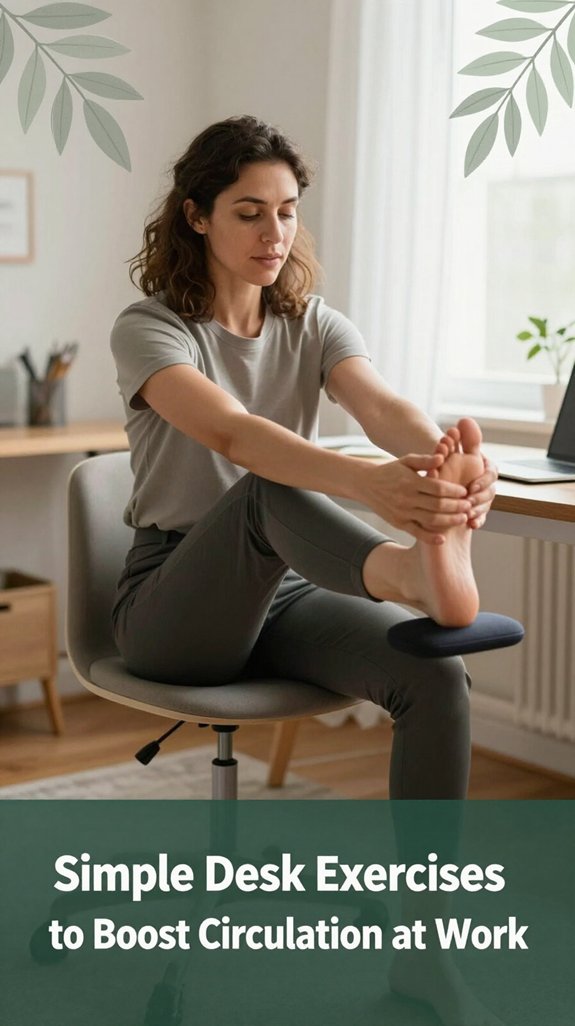
Look, sitting at your desk all day can make your legs feel like they’ve turned to stone, and your blood circulation takes a nosedive without you even noticing. According to OSHA ergonomic guidelines, simple ankle moves can improve circulation and reduce discomfort.
Try ankle pumps: flex and point your foot 20–30 times per leg to activate your calf muscle pump, which helps blood return from your lower extremities to your heart. Extended sitting leads to inactivity of leg muscles, making these small movements crucial for maintaining healthy blood flow.
Do ankle circles, 10–15 rotations each way, to loosen up the ankle joint capsules and improve joint mobility. Seated heel and toe raises are also effective perform 15–20 repetitions to stimulate blood flow in your distal lower limbs and prevent sluggish, heavy feelings often associated with prolonged sitting. Incorporating proper circulation techniques can further enhance these benefits.
To maintain good circulation and reduce swelling, incorporate these exercises every 30–60 minutes. They’re small movements with a big impact, helping keep blood flowing, decreasing the risk of blood clots or edema, and preventing the sensation of heavy, fatigued legs.
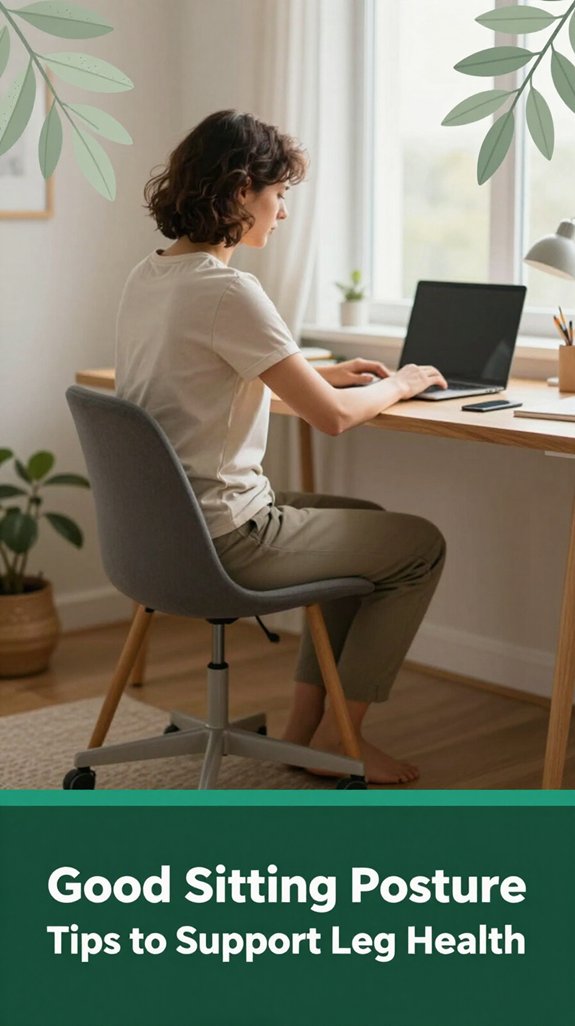
A good sitting posture isn’t just about looking organized; it’s about giving your legs and lower back a break from unnecessary strain. According to OSHA ergonomic guidelines, you’ll want your feet flat on the floor or on a footrest no dangling as this supports circulation by keeping your ankles at about 90°. Maintaining this angle helps ensure proper blood flow and reduces pressure on the tibial and fibular arteries.
Keep feet flat on the floor at 90° to support circulation and reduce lower leg pressure.
Your knees should be bent around the same 90-degree angle, and slightly lower than your hips, which helps avoid compressing the blood vessels behind your knees, such as the popliteal artery, as per Mayo Clinic recommendations. Ankles placed slightly in front of your knees, rather than tucked under them, help open up the knee joint and promote healthy circulation, according to research on spinal biomechanics.
Also, avoid crossing your legs this action can impede venous return and increase the risk of sciatica or varicose veins. Instead, keep your thighs supported, hips back, and backrest at a comfortable recline about 100 to 110 degrees (which encourages lumbar spine extension and reduces thoracic kyphosis). Proper lumbar support also plays a crucial role in maintaining spinal alignment and preventing lower back strain.
Simple adjustments like these can significantly improve lower limb blood flow and reduce discomfort during long periods of sitting. Your legs will thank you.
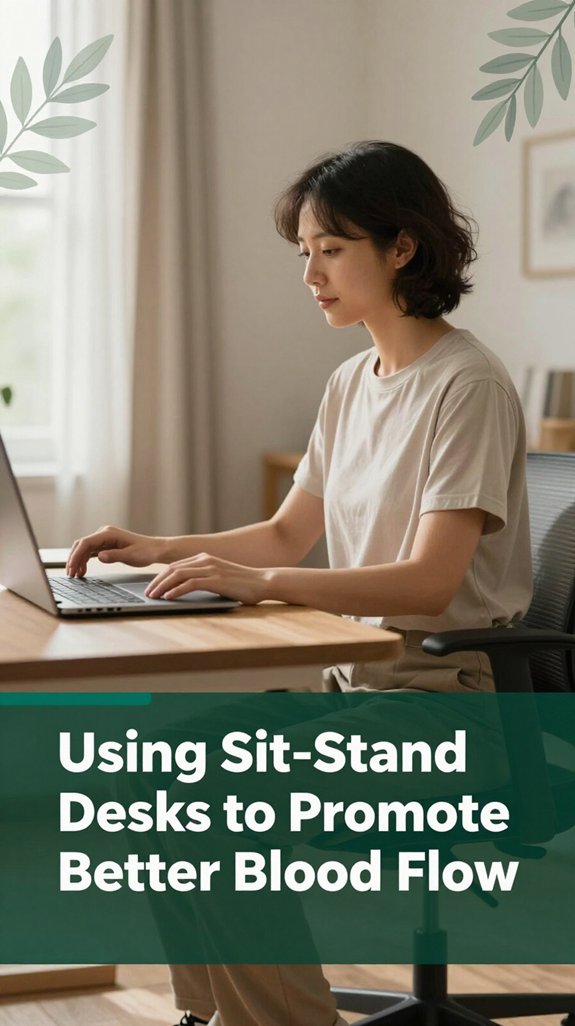
Using sit-stand desks can be a game-changer for your blood flow, and no, you don’t have to stand all day like a flamingo. You probably know how sitting too long makes your legs feel sluggish and causes ankle swelling.
According to OSHA ergonomic guidelines, standing more frequently during your workday can help break up those long, uninterrupted sessions kind of like giving your circulation a revitalizing boost of air. Active movement is essential because it prevents blood from pooling in your lower extremities and encourages healthier circulation overall. Incorporating proper desk setup can further enhance these benefits, ensuring your body remains supported and comfortable.
Research on spinal biomechanics suggests that swapping 90 minutes of sitting for standing can genuinely boost blood flow to your lower limbs, improve vascular health, and even help regulate insulin levels. You don’t need to stand for hours straight; instead, aim for cycles of 20-30 minutes sitting, then 10-15 minutes standing. These intervals can help prevent issues like sciatica, lumbar discomfort, and dorsal kyphosis.
By alternating between sitting and standing, you promote better circulation in your lumbar, thoracic, and cervical regions, which support overall musculoskeletal health. Your legs, feet, and cardiovascular system will thank you for this balanced movement strategy.
You’ve probably spent hours staring at your screen, feeling your legs start to go numb or your calves stiffen up, even though you’re just sitting there like a normal person. It’s as if your legs hit pause, but your blood keeps moving slowly or not at all. According to OSHA ergonomic guidelines, prolonged static sitting can impair blood circulation, increasing the risk of issues like deep vein thrombosis and lower limb discomfort.
Prolonged sitting can impair blood flow, increasing risks like deep vein thrombosis and leg discomfort.
Under-desk ellipticals and pedal exercisers create tiny ankle movements dorsiflexion and plantarflexion that activate your calf muscles, which, per Mayo Clinic recommendations, push blood back up your legs. Many ergonomists suggest these ankle motions help maintain healthy circulation, especially for those who sit more than 6 hours a day. Incorporating multi-level resistance adjustments can also ensure a comfortable and effective workout tailored to your needs.
These movements boost blood flow, keep your arteries happy, and reduce that sluggish feeling, even after hours of sitting. All right, it might sound small, but these actions can significantly improve circulation and reduce discomfort.
Plus, they’re quiet, so no one will even know you’re secretly pedaling your way to better circulation. In essence, using under-desk pedal devices offers a practical way to integrate movement into your workday, promoting healthier lower limb function and reducing risks associated with sedentary behavior.
Ever notice how your legs tend to feel like they’re dragging a ton of bricks after sitting for hours? That’s your blood trying to fight gravity, sluggishly pooling in your lower limbs. According to OSHA ergonomic guidelines, this pooling can lead to discomfort, swelling, and even conditions like deep vein thrombosis if not addressed.
Here’s the thing: compression socks push that blood back up by squeezing your calves, helping your veins do less work and preventing that heavy, knotted feeling. Your ankles also get a breather, experiencing less swelling and fewer cramps, which is especially beneficial for people who sit more than 6 hours a day.
And hydration? It’s like giving your blood a well-oiled machine. Staying hydrated keeps your plasma volume up, meaning your heart can pump efficiently and your blood flows smoother. Proper hydration is essential for maintaining optimal blood viscosity. Research on spinal biomechanics suggests that proper circulation supports musculoskeletal health overall. Combined, these small strategies support your circulation, helping you avoid that sluggish, “I’ve been sitting too long” feeling.
Essentially, it’s about helping your body do its job better even when you’re glued to that chair.
All right, let’s get real for a second. If you’re sitting all day, your blood can start to throw a little rebel fit stagnating and making your legs go numb. According to OSHA ergonomic guidelines, this can lead to poor circulation and discomfort.
Here’s what you can do to keep that blood flowing smoothly:
Trust me, your legs will thank you. Consistent movement and ergonomic adjustments are key to supporting healthy circulation and preventing discomfort or vascular health issues.
When your legs start feeling numb, tingly, or downright painful, that’s a big flashing warning sign from your body telling you something’s off with your blood flow. According to OSHA ergonomic guidelines, these sensations often indicate poor circulation and shouldn’t be ignored. You might notice this more during sitting, especially if you remain in one position for a long period kind of like your legs are protesting. Many ergonomists recommend changing your posture or taking short breaks to alleviate pressure on the lower extremities.
Persistent sensations like pins and needles or dull aches often come from reduced blood flow or nerve issues, especially if they worsen at rest. If these symptoms persist, it could suggest underlying conditions such as peripheral artery disease or nerve entrapment syndromes like sciatica. Poor circulation can also contribute to cold extremities, which serve as an additional warning sign. Recognizing the importance of blood flow, proper ergonomic practices can help prevent these issues from worsening over time.
Skin turning pale, bluish, or feeling cold is your body’s way of signaling that oxygen isn’t reaching your extremities properly, which can compromise tissue health.
Additionally, if you observe swelling, brittle nails, or changes in skin texture such as dryness or thinning it’s crucial to seek medical attention promptly. For example, swelling may indicate fluid retention or venous insufficiency, both of which merit further investigation.
Research on spinal biomechanics suggests that poor circulation can be linked to improper sitting posture, particularly when hips are flexed more than 135 degrees (which means leaning back slightly, not sitting bolt upright).
If these signs keep appearing, don’t dismiss them: consider consulting a healthcare provider as soon as possible. Recognizing early symptoms of circulation issues allows for timely intervention, potentially preventing serious complications.
Long-term habits at work are your best allies when it comes to keeping your blood vessels healthy and functioning properly. You probably already know that sitting all day isn’t great, but now you’re thinking about how to fix that for good. According to OSHA ergonomic guidelines, small changes can add up to improving vascular health.
Use a sit–stand desk or stand up every 30 minutes to shake things out and keep blood flowing. Research suggests that alternating between sitting and standing helps reduce the risk of venous insufficiency and deep vein thrombosis. Don’t cross your legs your veins need that breathing room to prevent constriction and promote proper blood return.
When you take a break, elevate your feet slightly (about 6 inches or 15 centimeters above heart level) to help blood drain back toward the heart more effectively. Proper posture is essential for maintaining optimal blood flow, as poor alignment can compress blood vessels and hinder circulation. Maintaining good ergonomic positioning can also assist in preventing long-term vascular issues.
Eat smarter by swapping snacks for fruits and nuts, and plan balanced meals rich in fiber, healthy fats, and lean proteins. These dietary choices support vascular function and reduce inflammation.
Incorporating these habits might seem simple, but they’re powerful enough to slow down sluggish blood flow and protect your vessels over the long haul. Remember, consistent small adjustments can lead to significant improvements in your vascular and overall health.
Think of your body as a well-oiled machine that needs regular movement to stay happy and healthy. You know that feeling when your legs feel heavy after sitting too long? According to OSHA ergonomic guidelines, regular exercise helps your blood vessels stay flexible and responsive.
Immobility slows blood flow due to inactive leg muscles. Brisk walking or a quick bike ride boosts blood flow and strengthens your heart, fighting off that sluggish “sitting slump.” Plus, when you do resistance exercises like calf raises or squats, you’re helping that muscle pump work even better, pushing blood back up from your legs.
Resistance training enhances venous return, which is crucial for maintaining healthy circulation, especially in people who sit more than 6 hours a day. All right, static or dynamic, exercise builds resilience lowering blood pressure and making your vessels more adaptable.
Research on spinal biomechanics suggests that movement increases the elasticity of arteries and reduces stiffness, which is vital for overall cardiovascular health. Moving often and doing targeted workouts work hand-in-hand to keep your circulation in top shape, even during marathon desk sessions.
All right, let’s talk about some common mistakes that sneak in and slowly mess with your circulation mistakes you mightn’t even realize you’re making. You’re probably familiar with that feeling of numbness, swelling, or heaviness in your legs, but sometimes, it’s your own sitting habits causing it.
The fix? Change positions often, support your feet with ergonomic footrests, and keep your torso upright with good lumbar support. Maintaining proper alignment enhances circulation and reduces discomfort during extended sitting periods.
Yes, certain foods can boost your blood flow during those marathon sitting sessions.
Think beets, leafy greens, and pomegranate these supply nitrates that turn into nitric oxide, helping your vessels relax and widen.
Spicy cayenne and garlic also encourage circulation with vasodilators.
Fish rich in omega-3s, like salmon, fight inflammation and keep blood moving smoothly.
Incorporate these regularly, and you’ll notice a difference, even at your desk.
Yes, you can do simple desk stretches that actually work.
All right, start with neck rolls and shoulder shrugs just three slow circles each way, then shrug those shoulders.
Next, stretch your chest by clasping your hands behind your back and gentle pulls.
Include seated figure-4s for hips, and lift your heels for calf pumps.
Trust me, these tiny moves interrupt the slump, boost blood flow, and kinda save your sanity.
Alcohol makes your leg blood flow pretty complicated. In small amounts, it can relax your blood vessels, which might seem good, but it also makes the blood vessel walls weaker and encourages blood pooling hello, swelling and discomfort.
Heavy drinking thickens your blood, impairing circulation and raising blood clot risks. So, if you want your legs happy, it’s best to cut back your legs will thank you, and you’ll feel way better overall.
You’ve got to keep moving think of your legs as a pump that needs activity to work right.
Take quick breaks every 30-60 minutes to walk, do calf raises, or ankle circles. Elevate your legs when possible, stay hydrated, and wear comfortable footwear.
Avoid crossing your legs and stick with a supportive posture. Honestly, little things like parking farther out or using stairs boost blood flow just don’t forget to listen to your body!
Yes, ergonomic chairs really can boost your leg circulation.
You see, when your chair supports your lower back properly and lets you keep your feet flat, you’re less likely to pinch those important blood vessels behind your knees.
Features like adjustable height and a seat edge that doesn’t chop into your thighs help blood flow instead of blocking it.
Alright, listen up. Staying still is like telling your blood to take a vacation no good. Keep moving, make tiny tweaks, and break the boring loop. Trust me, your legs will thank you, your body will thank you, and you’ll feel a lot more motivated to survive those endless workdays. So, don’t dread the discomfort declare victory over stagnation. Your circulatory system will thank you with a happier, healthier you. Deal?