Physical Address
304 North Cardinal St.
Dorchester Center, MA 02124
Physical Address
304 North Cardinal St.
Dorchester Center, MA 02124

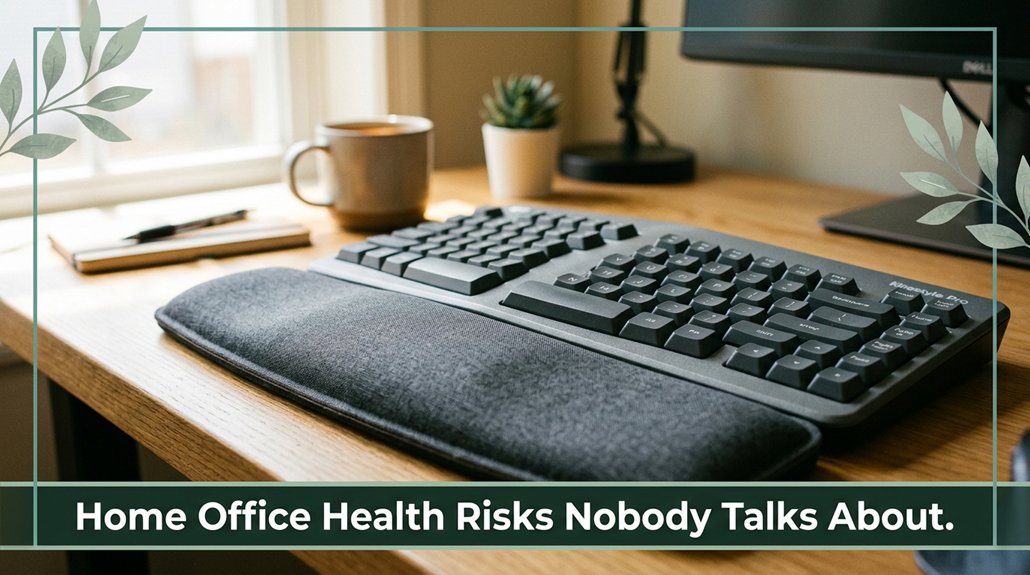
That stiff neck and aching back you feel after a few hours at your desk? That’s your body sending signals problems that come from sitting too long. When you stay seated for hours, it quietly messes with your muscles, blood flow, and even how your body handles insulin and fats, gradually upping your health risks.
And don’t overlook the mental drain loneliness, burnout, and stress start creeping in when your boundaries blur. Want to stay ahead of these hidden pitfalls? Keep reading there’s more you need to know beyond just good posture.
This article contains affiliate links. If you purchase through them, I may earn a small commission at no extra cost to you. I only recommend products I genuinely believe in.
Here’s the truth: working from home today makes good ergonomics more important than ever, and you mightn’t realize why that’s at first glance.
Think about it your home office health risks are sneaky. You might settle into a chair that’s okay but not great; suddenly, after an hour, your lower lumbar region feels like it’s got a grudge. Or your neck gets sore just before your third Zoom call, thanks to a monitor that’s too low or too high. According to OSHA ergonomic guidelines, monitor height is crucial; it should be at eye level to reduce cervical strain.
When you’re glued to a keyboard and mouse that don’t keep your elbows at roughly 90 degrees (which helps prevent repetitive strain injuries), that’s another box checked on the home office health risks list. Proper ergonomic setup can prevent long-term discomfort, and in a home environment where routines may be inconsistent, this becomes even more vital. Ensuring your workspace supports correct posture and alignment can make a significant difference in preventing chronic issues.
Maintaining proper wrist alignment and avoiding excessive elbow extension can help prevent conditions like carpal tunnel syndrome and cubital tunnel syndrome.
All right, it’s easy to overlook these things, but small ergonomic adjustments such as chair height, monitor position, and desk setup can save you from a lot of misery down the road.
Ever notice how after a few hours of sitting at your home office, your back starts to feel like it’s had enough, and your hips are protesting just a little? Well, it’s not just in your head. Here’s what happens:
1. Your blood pressure rises slightly, and insulin sensitivity decreases, which can increase your risk of heart issues. According to OSHA ergonomic guidelines, sitting for extended periods an extra hour here and there can raise your chances of cardiovascular disease by about 1-2 percent.
This is because prolonged inactivity affects vascular health and metabolic function. Sedentary behavior, especially sustained sitting, is linked to increased health risks independent of overall physical activity levels. Additionally, maintaining excessive sitting can lead to poor circulation, which further exacerbates health issues.
2. Your muscles become less active. Prolonged static postures reduce muscle activation, particularly in the lumbar, thoracic, and cervical regions.
This reduction can lead to nagging lower-back pain, neck discomfort, and even contribute to thoracic kyphosis or scoliotic postures if maintained over time.
3. Your body tends to hang onto weight because fewer steps and decreased physical activity impair lipid metabolism and glucose regulation.
This can disrupt cholesterol levels and make weight management more difficult, especially in people with sedentary lifestyles.
All right, let’s just say your sedentary hours are doing more damage than you think.
To mitigate these risks, incorporating regular movement, ergonomic adjustments like standing desks, and periodic stretches are practical steps you can take to support your musculoskeletal and cardiovascular health.
When you’re working remotely, it’s easy to feel like your mental health is just along for the ride, until it starts acting up, that is. You might notice that non-partnered folks, especially men and women without kids, report more anxiety and depression.
According to research on social support and mental health, the social connections you gain in an office such as small chats in the breakroom or quick catch-ups after meetings help keep your mental well-being balanced. Evidence shows that social interactions play a crucial role in buffering stress and promoting mental health. Because, honestly, those moments serve as informal social buffers against stress.
Without these face-to-face interactions, stress can sneak in. Many remote workers experience feelings of loneliness and worry that may lead to anxiety or depression. The absence of casual social contact can diminish your emotional support network, which is vital for mental health.
Here’s the good news: you can actively counteract these challenges. Try scheduling regular virtual social calls or informal check-ins with colleagues or friends. Set clear work boundaries by establishing specific start and end times for your workday to prevent burnout. Don’t hesitate to seek professional mental health support if needed.
These small, intentional steps create a buffer against loneliness and stress, helping you maintain your mental well-being even when working remotely.
All right, so you’ve probably realized by now that working overtime from home isn’t just about putting in extra hours it’s about how those hours bleed into your personal life without you even noticing. You might get caught in that “just one more email” trap, but your body isn’t having it.
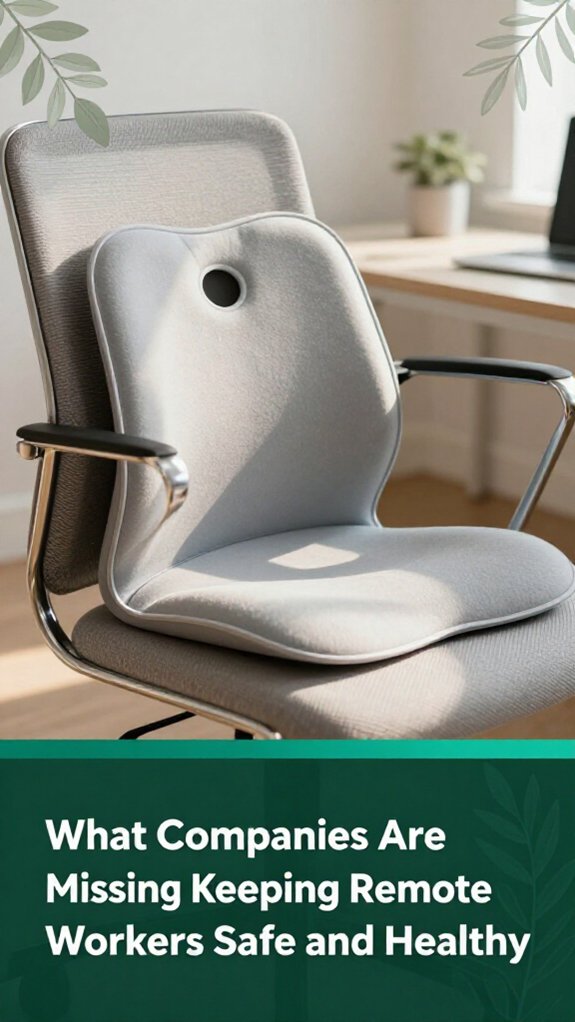
Here’s what they’re missing:
| What’s Missing | Why It Matters | Possible Solution |
|---|---|---|
| Adjustable chairs and desks | Reduces musculoskeletal issues such as lumbar strain, thoracic kyphosis, and neck tension according to OSHA ergonomic guidelines. Proper adjustment ensures proper spinal alignment and reduces discomfort. | Providing ergonomic furniture that can be customized to each worker’s height and workspace needs. |
| Proper lighting and monitor height | Prevents eye strain, cervical strain, and neck tension. Research on spinal biomechanics suggests that the monitor should be positioned at eye level (about 20-28 inches away from the eyes) and lighting should minimize glare. | Educating employees on ergonomic workspace setup and ensuring adjustable monitor stands and adequate ambient lighting. |
| Formal safety policies | Cuts injury rates related to poor ergonomic practices and accidents in home office environments. Clear policies outline safe work habits and emergency procedures per Mayo Clinic recommendations. | Implementing detailed home-office safety protocols and offering training to reinforce safe ergonomic practices. |
| Ongoing ergonomic assessments | Identifies early signs of nerve compression, repetitive strain injuries like carpal tunnel syndrome, or postural problems such as thoracic kyphosis. Many ergonomists recommend regular virtual ergonomic check-ins to adapt to changing needs. Additionally, ergonomic software can help monitor posture. | Scheduling periodic remote ergonomic evaluations to ensure workspace setup remains optimal and to address emerging issues promptly. |
| Lack of awareness about ergonomic practices | Many remote workers are unaware of proper ergonomic setups, which can exacerbate musculoskeletal problems over time. Providing education on ergonomic best practices is crucial for preventing chronic pain and injury. | Offering online training sessions and informational resources to help employees properly arrange their home workstations. |
Ignoring these elements? It’s a recipe for burnout, chronic pain especially in the lumbar, cervical, and shoulder regions and long-term musculoskeletal disorders. To protect your health while working remotely, focus on proactive ergonomic strategies.
Alright, let’s start with the basics because honestly, these small adjustments can prevent a lot of discomfort over time.
Here’s the thing: small changes add up quickly.
You’ll know your workspace is ergonomic if your chair supports your lower back, your monitor sits at eye level, and your arms rest comfortably at 90 degrees when typing.
All right, if your feet are flat on the floor and you don’t feel a constant strain in any muscle, you’re probably good.
Honestly, take a quick look during a break that’s a real test. If it feels right, you’re probably on the safe side.
All right, think of your sedentary habits like a slow-burning fuse. Over time, you’re at higher risk for things like type 2 diabetes, insulin resistance, and weight gain basically, your body starts acting like it’s running out of steam.
Your muscles weaken, your joints suffer, and your mood drops like feeling drained after too many hours sitting.
You know how loneliness can sap your energy? Well, it hits productivity and health hard.
When you’re isolated, your motivation dips, and stress spikes making it tougher to focus or stay positive. Your body also reacts more fatigue, poorer sleep, maybe even headaches.
I’ve been there too. Staying connected through quick chats, virtual coffee breaks, or even in-person days can keep your morale up and cut down those health risks.
If you’re feeling like work and life are merging into one big blur, try setting firm boundaries.
For example, dedicate a specific “off-limits” time after work no emails, no calls. You might think, “That’s simple,” but it’s vital. Your mind needs that space to reset, or burnout sneaks in.
Your company policies really shape your safety and well-being. For example, clear communication from managers helps you feel less isolated and that’s huge for mental health.
Ergonomic standards prevent aches that sneak up on you after long hours. Policies encouraging regular breaks, boundaries, and access to support make a difference, too.
Basically, when your employer takes your physical and mental health seriously, you’re more likely to work safely, stay balanced, and avoid burnout.
Alright, here’s the thing your home office might seem harmless, but it’s sneaky. You’ve got to get real about ergonomics, boundaries, and breaks, or you’ll find yourself feeling more tired, tense, and maybe a little trapped. Remember, a little mindful movement, clear limits, and just a pinch of self-care can turn your workspace from a sitting scam into a safe, savvy sanctuary. So, stay smart, stay steady, and give yourself the gift of good health!