Physical Address
304 North Cardinal St.
Dorchester Center, MA 02124
Physical Address
304 North Cardinal St.
Dorchester Center, MA 02124

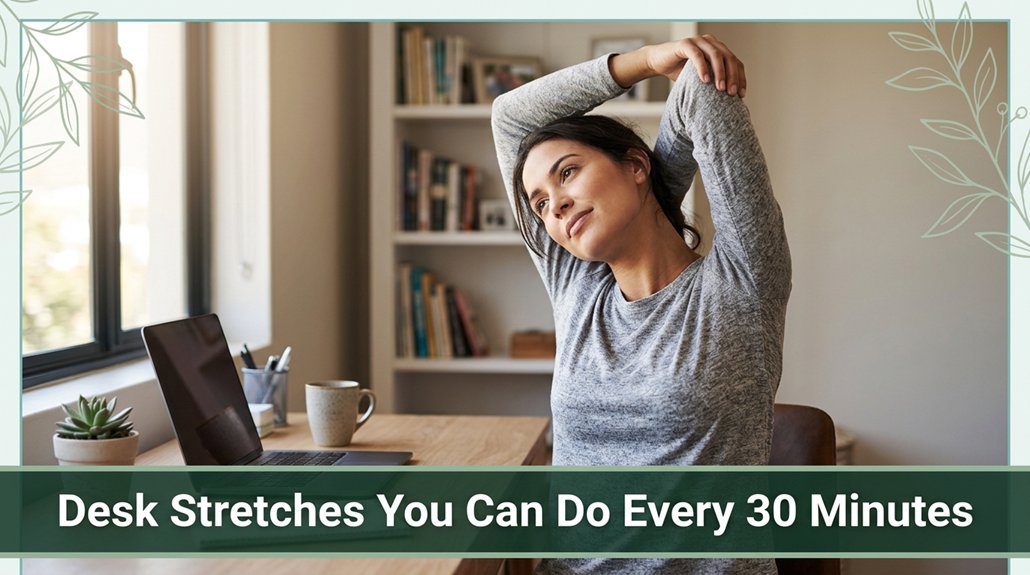
Your neck, shoulders, and lower back probably start protesting after a few hours at your desk you’re not alone. To keep those muscles happy and stay comfortable, try stretching every 30 minutes. Gentle neck side-bends, shoulder rolls, or standing hamstring stretches can make a real difference. These small moves break up stiffness, boost circulation, and help you stay at ease throughout the day. Stick around, and I’ll share simple tricks to prevent your body from throwing a tantrum.
This article contains affiliate links. If you purchase through them, I may earn a small commission at no extra cost to you. I only recommend products I genuinely believe in.
You’ve probably felt it your shoulders creeping up towards your ears, your lower back protesting after a few hours of hunching over your keyboard, or that tightness in your chest that sneaks up out of nowhere.
Feeling tension in your shoulders, back, or chest after hours at your desk? Stretch regularly to ease discomfort and stay mobile.
That’s why desk stretches for office work are essential, according to OSHA ergonomic guidelines. When you stay static for too long, your anterior muscles, specifically the pectoral muscles and hip flexors, tend to tighten, while your upper back muscles (including the thoracic erector spinae) and gluteal muscles weaken.
It’s similar to how muscles become lazy and stiff, which can stress joints and restrict your range of motion. Proper ergonomics play a crucial role in preventing these issues and maintaining musculoskeletal health.
Research shows that 30% of desk workers report experiencing neck pain, which can be alleviated through regular stretching.
Research on spinal biomechanics suggests that taking just a few minutes to stretch every 30 minutes can break this cycle. Desk stretches help move your joints through their full range of motion, increase the pliability of your soft tissues, and prevent that feeling of “I just sat down and my hips are seizing.”
This is especially important for people who sit more than 6 hours a day, as prolonged sitting can contribute to conditions like thoracic kyphosis or lumbar disc compression.
So, incorporating quick stretches into your work routine keeps your musculoskeletal health in check.
Trust me, your body will thank you.
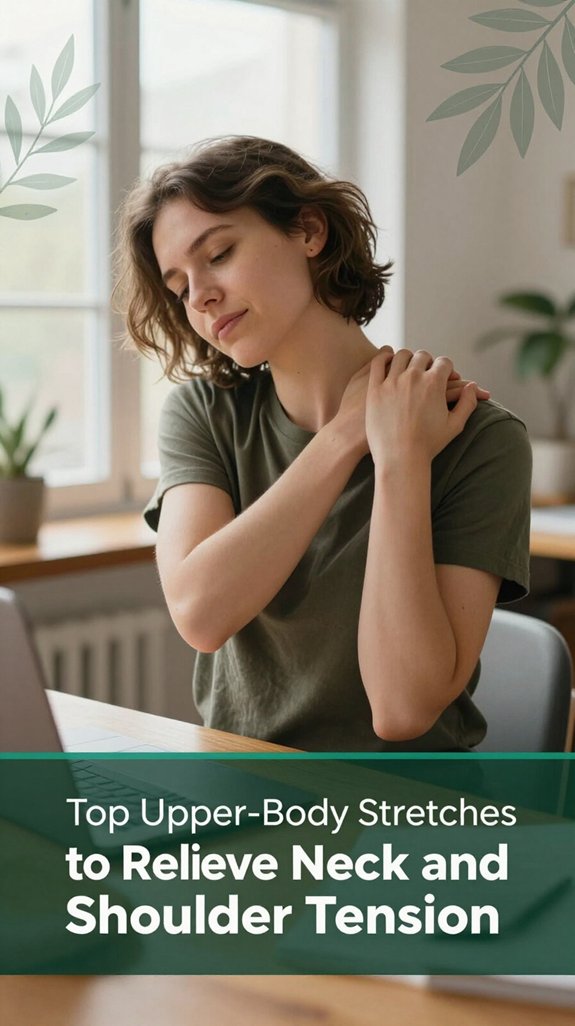
All right, let’s talk about some of the best ways to give your neck and shoulders a little relief during the workday.
You’ve probably noticed that by hour three, your neck feels like it’s been squished in a vice, and your shoulders are up around your ears. That’s because those upper trapezius and cervical muscles get overused from prolonged screen staring and scrunched shoulders.
A simple seated neck side-bend can help. Just tilt your ear toward your shoulder, maybe gently press down with your hand for an extra stretch. Remember to relax the opposite shoulder to maximize the relief.
Then, try the nose-to-armpit stretch: rotate your head approximately 45 degrees (which means turning your head so your nose points toward your shoulder), and then tilt diagonally, lightly supporting your head. These micro-movements can ease muscular tension, improve cervical mobility, and help you feel more comfortable no fancy equipment needed.
Regularly incorporating these stretches during your workday can help prevent the development of neck and shoulder pain caused by muscle tightness and postural fatigue. Additionally, maintaining ergonomic desk setup principles can further reduce strain and promote better upper-body health.
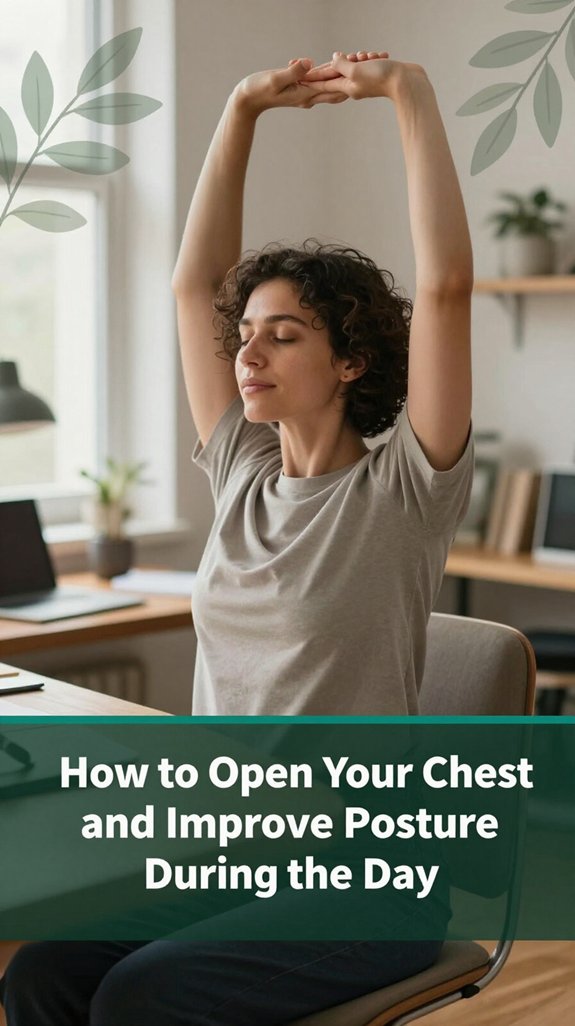
Here’s the thing: sitting all day with rounded shoulders and a hunched upper thoracic spine is a muscle shortcut nobody willingly signs up for, but according to OSHA ergonomic guidelines, it still happens.
You might notice how your chest muscles, particularly the pectorals, feel tight, and your posture appears as if you’re trying to hide from the world, leading to increased thoracic kyphosis. The good news is, you can open your chest to counter this flexed posture and reduce discomfort.
Try the doorway chest stretch it lengthens your pectoral muscles, which are often tight from prolonged sitting, and relieves that junk-drawer feeling in your chest. This stretch can also help improve shoulder mobility and correct anterior scapular tilt. Incorporating chest opening exercises daily can significantly improve long-term posture by addressing muscle imbalances caused by sustained sitting. Being mindful of your ergonomic setup can help prevent these issues before they develop.
Here’s a quick table to keep handy:
| Stretch/Move | Focus | Benefit |
|---|---|---|
| Doorway stretch | Pectorals | Opens shoulders, relieves chest tightness |
| Hands-behind-back | Chest and shoulders | Provides a full chest and shoulder release, improves thoracic extension |
| Bruegger’s position | Postural alignment | Expands chest, helps reverse rounded shoulders and forward head posture |
| Seated chest opener | Flexibility and mobility | Enables dynamic opening of the chest at your desk |
Just a few quick holds and repetitions your posture and comfort will thank you. Remember, consistent practice of these stretches can help maintain thoracic spine extension and prevent chronic postural issues.
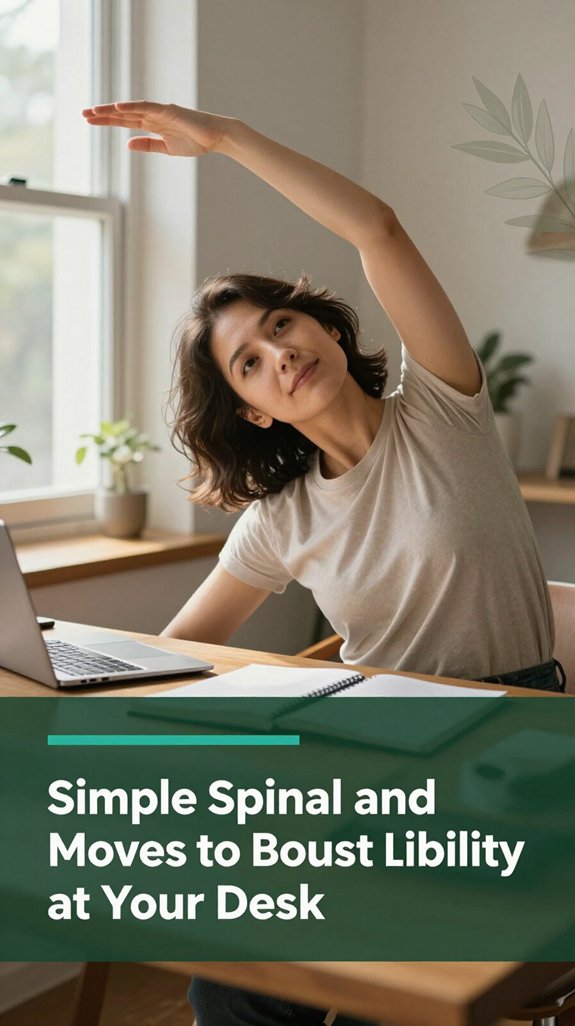
A seated spinal twist might become your new go-to stretch during long work sessions. If you notice your back feeling stiff or creaky after hours at your desk, this move can help alleviate discomfort. According to OSHA ergonomic guidelines, maintaining spinal mobility is essential for reducing work-related musculoskeletal strain. Incorporating ergonomic principles such as proper workstation setup can further support your back health during repetitive stretches and throughout the workday.
To perform the movement, sit upright near the front edge of your chair with your feet flat on the floor and knees positioned at about hip-width (which helps maintain proper alignment and stability). Place one hand on the outside of the opposite thigh, and the other hand on the chair back, gently twisting from your mid-thoracic and lumbar spine not your shoulders. Keep the movement slow and pain-free to avoid overstretching or aggravating any existing back issues.
Sit upright with feet flat, twist gently from the spine, and keep movement slow and pain-free.
Hold the twist for 10 to 30 seconds per side, and repeat this several times every half hour throughout your workday. This exercise targets the thoracic and lumbar regions of the spine, which can become stiff from prolonged sitting, and helps you re-center after slouching. According to research on spinal biomechanics, such gentle, frequent mobility exercises can reduce stiffness and improve circulation in the lower and middle back. Spinal health is crucial because proper movement prevents strain and chronic pain.
Incorporating this move into your routine is a simple, office-friendly way to enhance spinal flexibility, reduce discomfort, and boost your energy levels.
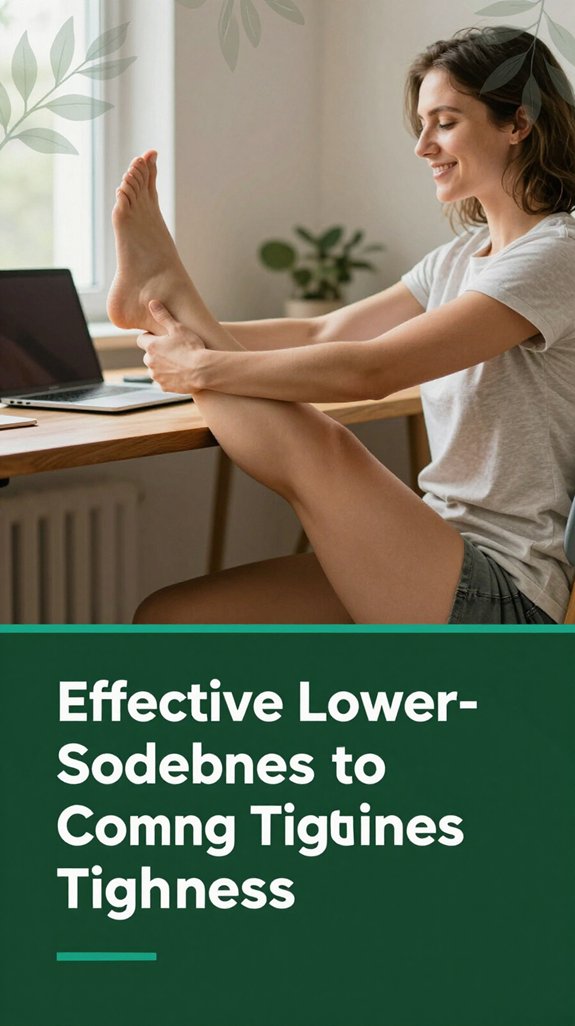
If you’ve ever finished a workday feeling like your hamstrings are still tight and gripping the chair, you’re not imagining things. Sitting all day shortens the back-of-thigh muscles (hamstrings), which research on spinal biomechanics suggests can lead to lower-back discomfort and reduced flexibility.
Prolonged sitting can also cause the lower lumbar spine to become stiff, contributing to postural issues such as a hunched back. To counteract this, try sitting at the edge of your chair, extending one heel flat on the floor (which helps stretch the hamstring). Hinge forward from your hips until you feel a stretch along the back of your thigh. Hold this stretch for 20–30 seconds, then switch legs.
This duration allows for effective muscle elongation without overstretching. The standing cross-leg hamstring stretch also works effectively you cross your ankles, hinge forward at the hips, and target both your hamstrings and calves. Incorporating proper sitting posture can further reduce strain and prevent muscle tightness.
These stretches help loosen the posterior chain muscles, including the lumbar and sacral regions, and can reduce lower-back strain. In addition to alleviating tightness, these stretches improve overall flexibility and help prevent musculoskeletal issues associated with prolonged sitting.
All right, let’s talk about turning those random moments into quick, effective stretch breaks you actually stick to. First, establish set intervals every 30 to 60 minutes so it becomes automatic. According to OSHA ergonomic guidelines, regular breaks help reduce musculoskeletal strain, especially in the lumbar and cervical regions.
Neck rolls help alleviate neck stiffness caused by prolonged sitting, making it a practical exercise to incorporate into your routine. Link breaks to routines, like logging in or coffee refills, so they feel less disruptive. Keep them brief just 1–3 minutes so your workflow stays smooth without interrupting productivity.
Research on spinal biomechanics suggests that short, frequent movement breaks can help prevent stiffness and strain in the lower back and shoulders. Planning simple sequences ahead means less decision fatigue when things get busy. Post a stretch schedule at your desk as a visual reminder, which helps reinforce consistent habits.
Use technology set calendar alerts or install reminder apps so you don’t forget your scheduled breaks. Pair stretches with tasks like calls or waiting for files. This ensures you utilize downtime effectively without disrupting tasks. Incorporating ergonomic principles can further optimize your break routines and promote better overall comfort. Keep quick resources on hand videos or PDFs ready when you need them, making it easier to perform stretches correctly.
Desk stretching isn’t just about moving your arms or tugging at that stubborn hamstring in the corner of your office; it’s about doing it safely so you actually benefit without risking new aches or injuries. You probably know the feeling of a tight neck after hours or a cramp creeping up in your lower back. According to OSHA ergonomic guidelines, move gently and slowly during stretching.
Prioritize safe, gentle movements for effective office stretches and prevent injuries.
No bouncing or rushing is advisable because that’s how micro-tears in muscle fibers occur. Limit stretch intensity to mild tension achieved by a gentle pull within your comfort zone. If you experience pain, numbness, or tingling, stop immediately to prevent injury.
Maintain good posture during stretching, keep your cervical, thoracic, lumbar, and sacral joints slightly flexed, and breathe deeply to enhance relaxation and effectiveness. Remember, it’s better to do shorter, frequent stretches throughout the day than to attempt one intense session that could cause strain. Proper technique is essential to maximize benefits and reduce the risk of injury.
When in doubt or when balancing yourself, use a wall, desk, or chair to support your stability. This practice helps prevent falls and keeps injuries at bay during stretching routines. Additionally, practicing safe stretching practices can significantly improve the overall effectiveness of your routine and prevent overexertion. Stabilize your movements and always prioritize safety for effective office stretching.
All right, let’s get real sticking to the same stretches all day can start feeling like doing karaoke to the same handful of songs. You need to switch it up, or your body’s gonna get bored and cranky.
Here are some creative ideas to keep your breaks fresh:
Incorporating diverse stretches and movements benefits your musculoskeletal health, especially during prolonged sitting.
Your body will thank you for keeping break time lively and functional.
Yes, desk stretches really can help reduce work-related stress and anxiety. When you stretch, you stimulate the release of feel-good hormones called endorphins, improve circulation, and activate your body’s relaxation response, lowering your heart rate and muscle tension.
Plus, they interrupt that endless sitting, which spikes cortisol and makes you feel worse. So, taking a few seconds to stretch every half hour isn’t just physical; it’s a mental reset, too.
If you’ve got limited mobility or injuries, don’t worry there are gentle stretches that can help.
You might find seated shoulder cross-bodies, triceps overhead, or wrist stretches really make a difference, easing tightness without risking pain.
Ankle circles or heel lifts can boost circulation, too.
All right, these aren’t wild, but they respect your limits and keep you moving smoothly.
Just listen to your body and stop if anything hurts.
You stay consistent by making stretches as automatic as grabbing your coffee pair them with something you already do.
Every time you finish a task or glance at your watch, do a quick stretch, like shoulder shrugs or neck rolls.
Keep your favorites simple and close by, maybe on a sticky note or a reminder.
Just like brushing teeth, a little consistency over time becomes a habit.
If you notice sharp pain, tingling, or lingering soreness, you’re likely overstretching or doing exercises wrong.
All right, honestly, it’s your body’s way of telling you to ease up.
When your joints feel loose or unstable, that’s a red flag too ligaments can stretch too far, and nobody wants floppy jeans.
And if you’re losing strength or feeling dizzy during stretches, stop you’re pushing too hard or not executing with control.
Nope, desk stretches aren’t replacements for longer breaks or actual exercise. Think of them as tiny, helpful nudges like opening a window during a long drive.
They can reduce stiffness and boost circulation a bit, but they don’t raise your heart rate, build muscle, or improve overall fitness the way a good workout does.
All right, use them as part of your break routine, not the whole shebang.
All right, think of these stretches as little magic spells you cast every 30 minutes they keep your body from turning into a stiff statue. You wouldn’t ignore a warning light on your car, right? So, don’t ignore that aching neck or tight hips. Keep moving, keep stretching it’s like watering a plant. Stay flexible, stay healthy. And honestly? Your back will thank you when you’re not just waiting for your lower back to reboot after a long day.