Physical Address
304 North Cardinal St.
Dorchester Center, MA 02124
Physical Address
304 North Cardinal St.
Dorchester Center, MA 02124

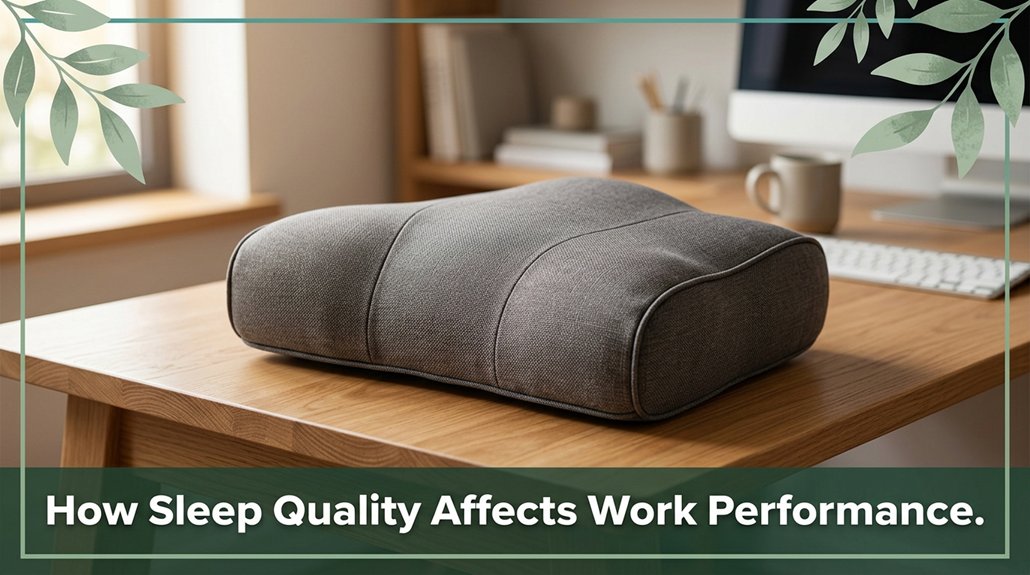
All right, you’ve probably noticed that when you don’t get enough sleep, your brain feels foggy, and your decision-making stalls. Sleep deprivation slows reaction times and dulls your focus that foggy brain makes even simple tasks tricky, like remembering where you left your keys or staying alert during meetings.
You might feel irritable or emotionally numb, which messes with teamwork and mood. If you want the real scoop on how sleep impacts your work, keep going you’ll be surprised how much better your day can get.
This article contains affiliate links. If you purchase through them, I may earn a small commission at no extra cost to you. I only recommend products I genuinely believe in.
Let’s be honest when you’re running on less sleep than a college student pulling an all-nighter, your brain doesn’t work quite right. Your ability to focus, remember things, and react quickly takes a nosedive.
Sleep and work performance are tightly linked cut your sleep short, and you’re more likely to miss details or let important actions slip. Insufficient sleep impairs the brain’s ability to process information efficiently, increasing the likelihood of mistakes.
According to research, after a few nights of poor sleep, your reaction times slow down, and you may zone out mid-task. This is because sleep deprivation hampers your working memory and vigilance, which are critical for maintaining attention and processing information efficiently.
It’s similar to trying to drive on a foggy day you just don’t see things clearly.
Getting those solid 7 to 9 hours of sleep isn’t just about feeling rested; it’s about keeping your brain sharp and your work on point. Prioritizing adequate sleep helps maintain optimal cognitive performance and reduces errors at work.
When you’re running on too little sleep, your mood takes a nosedive, according to research on sleep deprivation. You might find yourself snapping at someone or feeling extra anxious for no real reason. Research shows sleep loss drops your positive affect and amps up anxiety symptoms.
You may feel emotionally numb or blunted, reacting less to both positive and negative stimuli, which can interfere with your decision-making and make you less responsive to emotional cues. Sleep deprivation can also impair your ability to process and regulate your emotions effectively.
And here’s the thing: your sleep quality impacts how effectively you reframe emotional challenges. Poor sleep can impair your cognitive flexibility, making it harder to adapt to stressors and increasing your overall stress levels. Think of sleep as a mental battery when it’s drained, your mood and emotional regulation suffer as well.
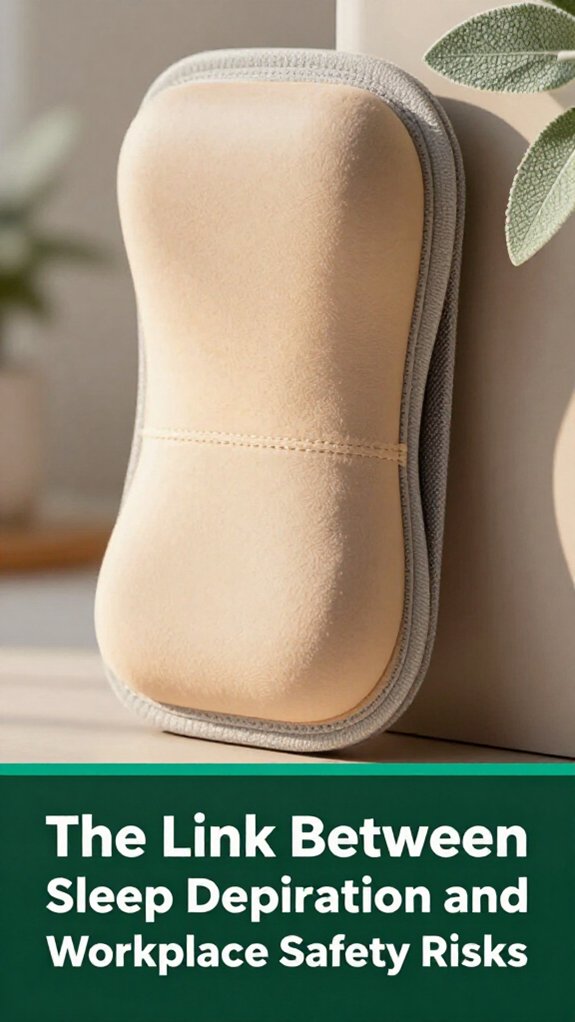
All right, here’s the deal: when you’re running on less sleep than you need, your risk of workplace accidents skyrockets. Insomnia or poor sleep habits double or even triple your odds of messing up whether that’s a slip, a fall, or hitting an error at just the wrong moment. You might notice slower reactions, like trying to catch your coffee before it hits the table but missing by a mile.
That’s because sleep deprivation dulls your reflexes and impairs cognitive functions. Research on sleep deprivation suggests that it can increase errors by about 25 percent, which can be critical in settings such as hospitals, construction sites, or trucking operations. These environments require high levels of alertness, and deficits in sleep directly compromise safety.
Sleep deprivation is linked to increased workplace errors and accidents. According to OSHA ergonomic guidelines, adequate rest is essential to maintaining safe working conditions. Many ergonomists recommend small changes like practicing better sleep hygiene or taking short naps to significantly reduce workplace safety risks.
These strategies help improve alertness and reaction times, preventing accidents. Ultimately, understanding the link between sleep deprivation and safety emphasizes the importance of prioritizing quality sleep to protect your health and your coworkers’.
If you’re not getting enough sleep say, fewer than six hours a night you’re probably noticing it in your work already. Your focus drifts more easily, tasks take longer, and that sharp decision you needed becomes sluggish.
It’s no coincidence; sleep deficits hit your brain hard, reducing your working memory by almost 20%, according to research on cognitive performance, making complex decision-making a slog.
All right, here’s the thing: your reaction time slows by about 10 to 15 percent, and that’s not just annoying it can be dangerous.
Attention lapses increase when you sleep less than seven hours, impacting vigilance. Self-rated productivity decreases by nearly 30 percent when you skimp on sleep.
Work errors increase by 38 percent in shift workers with fragmented sleep, per Mayo Clinic recommendations. Additionally, emotional regulation suffers, leading to more conflicts and negativity.
Furthermore, insomnia symptoms are associated with excess absenteeism and increased accident risk at work. Bottom line: your sleep debt isn’t just about feeling tired it actively sabotages your work performance and safety.
Think of sleep trouble like that one coworker who always shows up late but somehow manages to cause chaos for everyone else. You know the one it’s not just about feeling tired; it’s about missing days, making mistakes, and racking up healthcare bills. If you’re not sleeping well, your chances of calling in sick shoot up sometimes by over 1,000 percent.
Those frequent absences aren’t just annoying; they cost money. Sleep disturbances are linked to increased healthcare expenditures, when sleep’s off, your body reacts poorly your blood pressure, insulin levels, and cardiovascular health all get out of whack. According to Mayo Clinic recommendations, poor sleep can contribute to hypertension, insulin resistance, and increased risk of chronic conditions. This pushes up health costs by thousands of dollars each year.
All right, so what you do with your sleep habits can mean lower medical bills and fewer sick days. Practicing good sleep hygiene such as maintaining a consistent sleep schedule, minimizing screen time before bed, and creating a comfortable sleep environment can make a significant difference.
That friend’s just trying to tell you, don’t ignore how sleep trouble sneaks into your wallet and your work life. Prioritizing quality sleep is a practical way to improve your overall health and reduce both absenteeism and healthcare expenses.
Ever notice how your focus drifts more than it used to? It’s like your brain’s been hit with a fog machine, making quick decisions harder. According to Mayo Clinic recommendations, sleep deprivation can impair cognitive functions such as attention and decision-making.
Maybe you find yourself making more mistakes, like typo errors or minor slip-ups, even in routine tasks. All right, your reaction times might feel slower think blood alcohol levels after a few drinks. Research on spinal biomechanics suggests that sleep issues can reduce alertness and slow reflexes, affecting your physical responses.
Now, if you’re snapping at coworkers or feeling irritable more than usual, sleep’s probably involved. Here’s the thing: your mood and patience often take a nosedive when sleep suffers. Your emotional regulation becomes compromised, increasing the risk of conflicts at work.
And physically, you end up tired all the time, with slower coordination like trying to brush a cat’s fur when your hands just don’t want to cooperate. Fatigue also affects muscle control, particularly in the lumbar and cervical regions, increasing the risk of strains.
If these signs sound familiar, your sleep might be sabotaging your work performance. Consistent sleep issues can lead to decreased productivity, increased errors, and higher injury risk.
Addressing sleep problems is crucial for maintaining optimal job performance and overall well-being.
All right, let’s get real you already know that better sleep helps you perform better at work, but sometimes it feels like a puzzle you just can’t quite put together. Here’s the thing: tiny shifts can make a big difference.
Keep a consistent bedtime and wake-up time; this stabilizes your body’s circadian rhythm, making mornings easier. Create a cool, dark environment, and ditch screens 30 minutes before bedtime to avoid exposure to blue light, which can suppress melatonin production and interfere with sleep. Eating heavy meals or sipping caffeine late per Mayo Clinic recommendations messes with your sleep quality, so limit these in the evening.
Try relaxing activities like gentle yoga, which can help reduce tension in your lumbar, cervical, and thoracic muscles, or journaling to calm racing thoughts. Investing in comfortable bedding particularly supportive mattresses and ergonomic pillows your back and neck will thank you.
Even a 10-minute mindfulness session research on spinal biomechanics suggests can reduce stress and racing thoughts, helping you drift off faster and wake up ready to perform your best. Prioritizing these simple strategies can significantly improve your sleep quality and boost your work performance.
It’s pretty clear that how your workplace is set up can make a real difference in how well you sleep and ultimately how you perform during those goldfish-brain hours at work. Think about it: if you’re stuck in meetings all afternoon without a break or working long overtime hours, your sleep quality tanks. That’s no accident.
Here’s the thing, some companies are actually changing the game: They’re offering flexible start times so you can sync work with your circadian rhythm. They’re creating “no-meeting” blocks to preserve uninterrupted sleep time. They’re giving short nap breaks or limiting overtime to prevent burnout and insomnia.
Some companies are offering flexible hours, no-meeting blocks, and nap breaks to boost sleep and productivity.
They’re also providing sleep hygiene workshops and mood-boosting lighting, such as bright, blue-enriched lights that can improve alertness during the day. Promoting proper blood circulation by encouraging movement breaks and ergonomic setups can also enhance sleep quality, as good circulation supports overall rest and recovery.
These policies aren’t just nice-to-haves they actually boost your alertness, accuracy, and mood. Research suggests that organizations implementing these strategies see improvements in employee well-being and productivity, highlighting the importance of ergonomic and environmental considerations in workplace design.
Now, if you start making sleep a priority at work, the long-term benefits are pretty incredible way beyond just feeling a little less groggy on Monday morning.
Seriously, regular sleep (seven hours or more) can cut your risk of heart disease by about 15 percent, according to OSHA ergonomic guidelines. Think of it as giving your body a much-needed tune-up.
It also lowers the chances of developing type 2 diabetes and high blood pressure, which are common conditions associated with chronic sleep deprivation.
Sleep boosts your immune system, so you get sick less often research suggests up to 22 percent fewer sick days.
Plus, consistent rest helps maintain optimal brain function; your memory, decision-making skills, and problem-solving abilities improve over time.
Although it might sound simple, prioritizing sleep can make you healthier, more productive, and perhaps even happier at work.
Your sleep quality dramatically impacts your long-term career. When you catch quality sleep regularly, you boost your confidence, stay healthier, and handle stress better all essential for climbing the ladder.
Think of good sleep as investing in your future skipping it piles up stress, burnout, and mistakes that could slow your growth down.
If you improve your sleep, you’ll be saving your coworkers from making those annoying errors like missing safety steps or knocking over that cup of coffee on an essential machine errors that add up fast.
When your cognitive failures drop, safety compliance skyrockets, and sneaky injuries become less likely.
Honestly, your better sleep isn’t just good for you; it’s like a team-wide safety upgrade, cutting errors and costs for everyone.
Sleep health is like the secret sauce for team productivity and collaboration. When you’re well-rested, you’re more patient, share ideas openly, and work better together.
If you’re sleep-deprived, that cooperation gets shaky you’re more selfish, less focused, and communication suffers. All right, it’s like trying to dance with a partner when you’re so tired your feet don’t listen.
Prioritize good sleep, and your team functions smoother, no matter what the project is.
Some industries are definitely more affected by sleep deprivation, like transportation and healthcare, where 37% and 40% of workers sleep less than six hours.
I’m sure you’ve felt that foggy brain feeling after a night of little sleep that’s no joke for these folks. Short sleep increases risks of mistakes, injuries, and health issues, especially during night shifts.
Basically, if your industry’s a night owl, sleep deprivation hits ya hard and can really impact how well you do your job.
You already know stress messes with your sleep, but here’s the thing: when you’re stressed at work, your sleep quality drops, making you groggy and less sharp.
That poor sleep then fuels more stress, creating this horrible cycle. You get fidgety, less focused productivity tanks.
All right, so here’s the thing you’re probably giving your bed a bit of a hard time without even realizing it. When you neglect sleep, you’re not just yawning through meetings; you’re subtly sabotaging your focus, mood, and maybe even risking that trip to the ER if you’re totally sleep-deprived. But hey, a few simple tweaks like sticking to a schedule or giving your phone a break can make a surprisingly big difference. Sleep isn’t just rest; it’s your secret superpower.