Physical Address
304 North Cardinal St.
Dorchester Center, MA 02124
Physical Address
304 North Cardinal St.
Dorchester Center, MA 02124

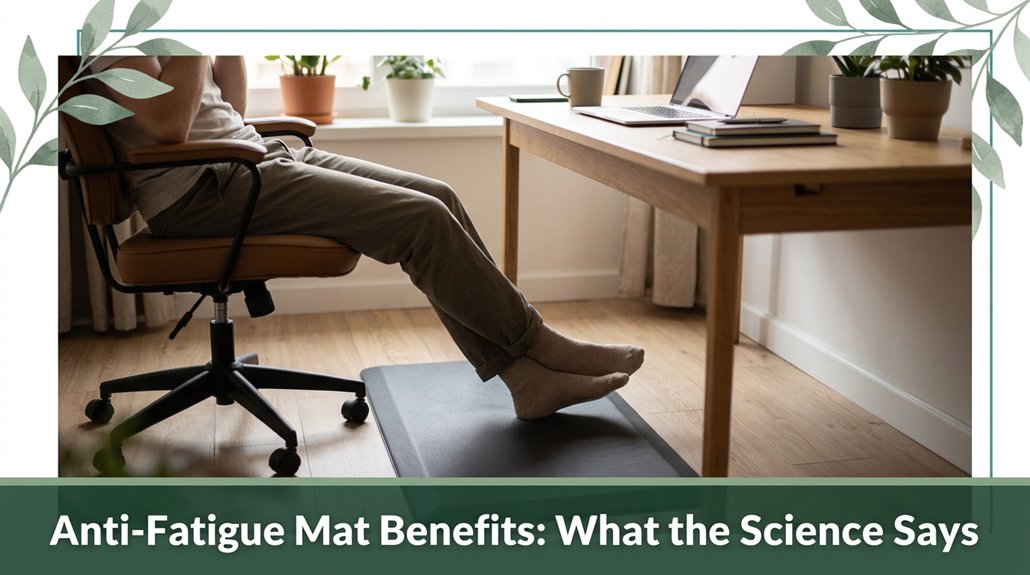
Standing all day on hard floors can leave your feet, legs, and back feeling exhausted and sore you probably know that all too well. Without some cushioning, every step hits your joints and muscles directly, leading to fatigue and potential long term discomfort. An anti fatigue mat acts like a soft buffer, encouraging tiny leg movements that boost circulation and help prevent blood from pooling. Essentially, it keeps you feeling more energized, more focused, and your joints happier if you’re curious, there’s more science behind how it all works.
This article contains affiliate links. If you purchase through them, I may earn a small commission at no extra cost to you. I only recommend products I genuinely believe in.
You’ve probably felt it the moment you stand in one spot for too long on a super hard floor and suddenly your feet, legs, or back start to complain. That aching, stiff feeling? That’s your body screaming that it’s taking a beating from those unforgiving surfaces.
Hard floors offer almost no shock absorption, so every step sends impact forces straight up through your legs, hips, and spine, according to OSHA ergonomic guidelines. Prolonged standing on hard surfaces can lead to circulatory issues, swelling, and discomfort in the legs and feet. Over time, this overloads your plantar fascia, causes muscle fatigue, and increases joint strain.
Specifically, your lumbar, thoracic, and sacral regions may experience increased stress, which can contribute to discomfort and long term issues like sciatica or lower back pain. Incorporating ergonomic solutions, such as anti fatigue mats, is recommended because they provide more “give,” absorb impact, and reduce peak pressures on these critical areas, allowing your muscles to relax instead of working overtime just to keep you upright.
Incorporating an anti fatigue mat into your work area effectively cushions your standing surface, giving your lumbar discs, Achilles tendons, and lower limb muscles some relief.
This extra cushioning helps prevent musculoskeletal disorders associated with prolonged standing on hard surfaces, supporting spinal alignment and reducing fatigue related risks.
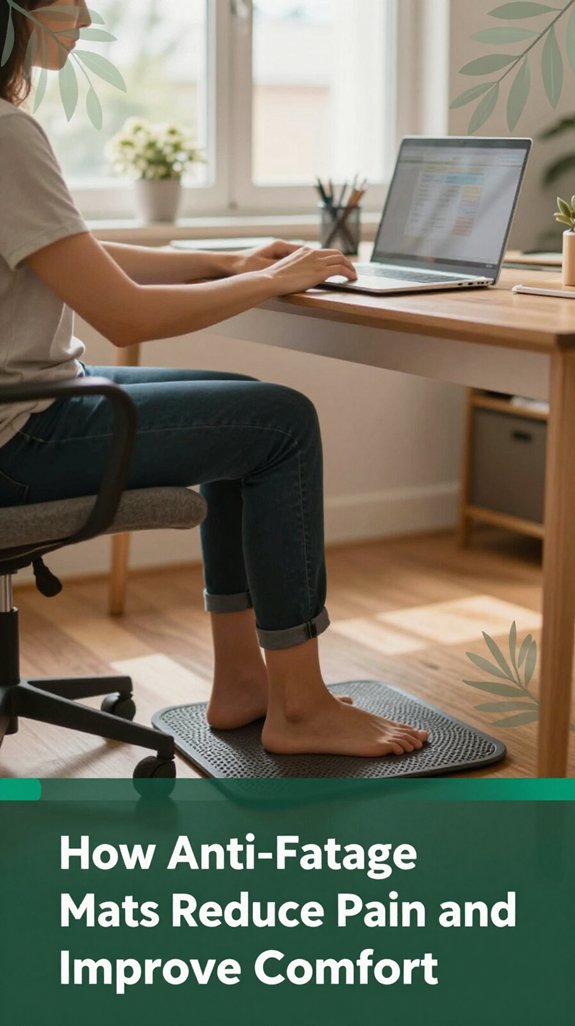
When you stand on a hard floor for too long, you probably start to notice your feet aching, your lower back getting stiff, and that overall feeling of exhaustion creeping in. You might even catch yourself shifting your weight or tightening your muscles just to get through it.
Here’s the good news: anti fatigue mats help with all that. They create a softer surface, so your muscles don’t have to work as hard to keep you balanced, essentially reducing some strain on your joints. Studies have shown that standing on cushioned surfaces can reduce muscle fatigue and improve comfort during prolonged standing.
Research on spinal biomechanics suggests that standing on cushioned surfaces can decrease discomfort in the lumbar, sacral, and lower extremity regions. Users report feeling noticeably less pain in their feet, knees, and back immediately after standing on these mats. Additionally, the choice of material selection and durability directly influences their effectiveness and longevity, ensuring continued support over time.
If you’re tired of feeling like a pretzel after a long shift, incorporating anti fatigue mats into your workspace could significantly improve your comfort. They serve as practical tools to promote ergonomic well being, especially for individuals who stand for extended periods.
All right, let’s talk about what’s really happening inside your legs and feet when you stand on those cushioned anti fatigue mats. You might think you’re just “standing,” but your muscles are busy micro movements happen constantly as your feet and ankles tweak just enough to keep you balanced.
According to research on spinal biomechanics suggests, this small dance activates your calf muscles repeatedly, helping blood flow back up to your heart. Here’s why that matters: 1. It keeps your calf muscles engaged to promote better circulation. 2.
It prevents blood from pooling in your ankles and calves, which can cause swelling and discomfort for those who stand for long periods. 3. It encourages active muscle contractions, reducing stiffness and the risk of circulation related conditions like deep vein thrombosis. 4.
It helps distribute pressure across your foot, avoiding overloading specific spots and reducing discomfort caused by uneven weight distribution. Regular muscle activation is essential because it supports healthier circulation and overall lower limb well being. Interestingly, the repeated activation also enhances muscle endurance, helping you sustain standing for longer periods without discomfort.
Essentially, your muscles are working smarter not harder and this dynamic activity helps you feel less tired and swollen over the course of your shift.
It turns out that standing on hard floors for long stretches puts a significant strain on your joints feet, knees, hips, and lower back all bear the brunt, according to OSHA ergonomic guidelines. You’ve probably felt that stiffness creep in; perhaps every step amplifies the soreness, or your knees protest after a while. Research indicates that prolonged standing can lead to increased risk of musculoskeletal disorders.
Using ergonomic solutions like anti fatigue mats can make a noticeable difference in preventing these issues. Research on spinal biomechanics suggests that hard floors send peak pressure directly into your joints, increasing wear and causing discomfort. To mitigate this, anti fatigue mats act as a cushioned buffer, dispersing those forces and reducing stress on your lower limbs. These mats also help cut down microtrauma in tissues like your plantar fascia, tendons, and the lumbar and sacral regions of your back.
Putting a cushioned mat down isn’t just about comfort. It’s a practical step to protect your joints and enable you to stand longer without feeling like you’ve aged ten years overnight.
Look, you’ve probably noticed that after a long day of standing, your legs feel like they’ve run a marathon even if all you did was fold laundry or stare at a computer screen.
Here’s why anti fatigue mats can boost your performance and morale:
All right, I know you’ve felt that foggy, exhausted feeling.
These mats give your body a break, helping you perform at your best during long shifts and reducing strain on your lumbar, thoracic, and cervical regions.
Making workplaces safer with anti fatigue mats isn’t just about smoother flooring, but about preventing accidents before they happen. When you stand on the job for hours, your shoes can slip or catch at edge changes, creating trip hazards. Anti fatigue mats with slip resistant textures and beveled edges help lower those risks, especially in oily or wet areas. They also support stable footing, reducing falls caused by loss of balance.
Research indicates that anti fatigue mats significantly reduce slip and fall incidents in workplaces. Prolonged standing on hard floors puts stress on your knees, hips, and lumbar and sacral regions of your lower back, which research on spinal biomechanics suggests increases injury risk.
Anti fatigue mats cushion your joints, cutting pain and musculoskeletal disorders (MSDs) by up to 50%, according to OSHA ergonomic guidelines. Additionally, they encourage micro movements that boost blood flow, helping to prevent leg swelling and fatigue, especially for workers who stand for more than 6 hours a day. Proper ergonomic workstation setup can further enhance comfort and safety during long periods of standing.
Ever wonder how to pick the perfect anti fatigue mat for your workspace? Here’s what you need to evaluate:
Yes, anti fatigue mats give you long term benefits. You’ll notice less foot, leg, and back pain over the weeks, thanks to their cushioned surface reducing joint stress.
They encourage micro movements, helping your blood circulate better meaning fewer varicose veins and fatigue. Think of it like giving your legs a mini massage all day without needing a spa.
Over time, your body feels a whole lot happier standing, and you’ll probably appreciate that at the end of a long shift.
You’ll find anti fatigue mats last anywhere from 1 to 5 years, depending on how heavy and constant the usage is.
I’ve seen them worn out quick in industrial settings, but in lighter environments, they stick around longer.
All right, weight, traffic, and how often they’re rolled or cleaned play a part.
Yes, anti fatigue mats are suitable for chemical and industrial settings.
You’ll want to choose mats made from materials like nitrile rubber or specialized blends that resist oils, chemicals, and acids so your mat won’t break down when spilled on.
All right, it’s like giving your feet a cushioned shield that also handles the mess.
This way, you stay comfortable and safe, even when dealing with greasy, chemical heavy environments.
Yes, standing on mats can help prevent varicose veins, but it’s not a magic wand.
Ever notice how your legs feel heavy or swollen after a long shift? The mats encourage tiny movements, activating your calf muscles your body’s natural blood pump. This keeps blood flowing better and reduces pooling.
All right, it’s not a complete fix, but if you stand a lot, it’s a smart move to protect those poor legs.
To keep your mats effective and safe, you gotta keep up with routine cleaning that’s sweeping daily and washing weekly with mild detergent and hot water.
Spot clean spills immediately, lift and clean underneath regularly, and always dry them thoroughly before use.
Also, inspect for tears or edges lifting, and rotate mats to reduce uneven wear. Trust me, a little consistent upkeep prevents trips, slips, and those “why does my back feel worse today?” moments.
Look, I get it you’ve had those long days where your feet are screaming, and your back feels like it’s compensating for a talent show spill. Anti fatigue mats? They’re like a little hug for your legs and joints, keeping blood flowing and muscles happier. You sit up straighter, stand longer, and just feel better like you’ve finally given your body a break. Honestly, it’s one of those small changes that makes a big difference in your day.