Physical Address
304 North Cardinal St.
Dorchester Center, MA 02124
Physical Address
304 North Cardinal St.
Dorchester Center, MA 02124

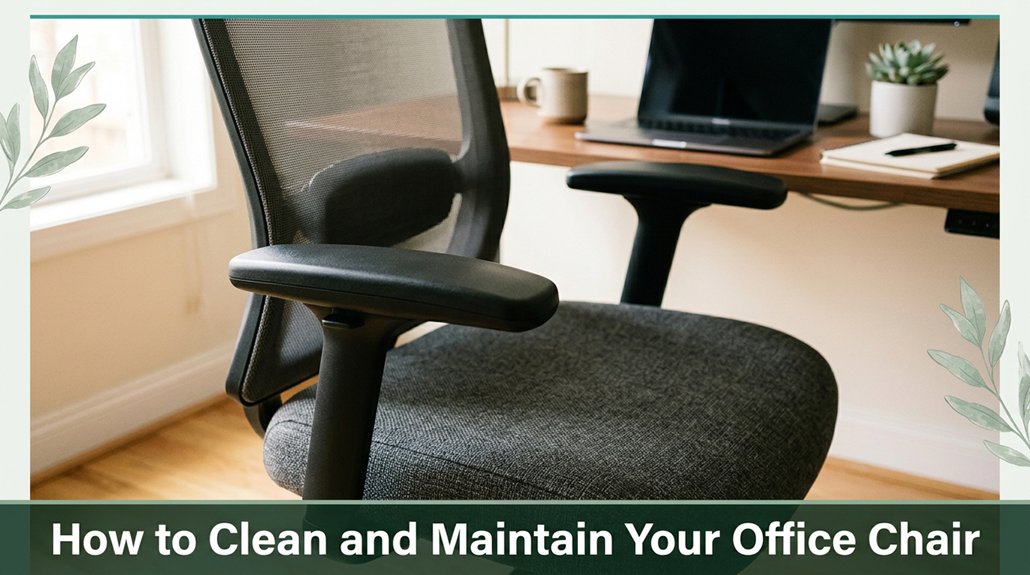
Look, if you want your office chair to stay comfy and last longer, you gotta give it some love. First, identify the material whether it’s fabric, leather, or mesh so you use the right cleaner.
Weekly, vacuum to remove dust, and spot-clean spills right away. Keep the casters and moving parts clean and lubricated, and tighten screws regularly. If something’s stubborn or squeaky, professional help might be time. Stick with me, and you’ll learn how to keep your throne feeling new.
This article contains affiliate links. If you purchase through them, I may earn a small commission at no extra cost to you. I only recommend products I genuinely believe in.
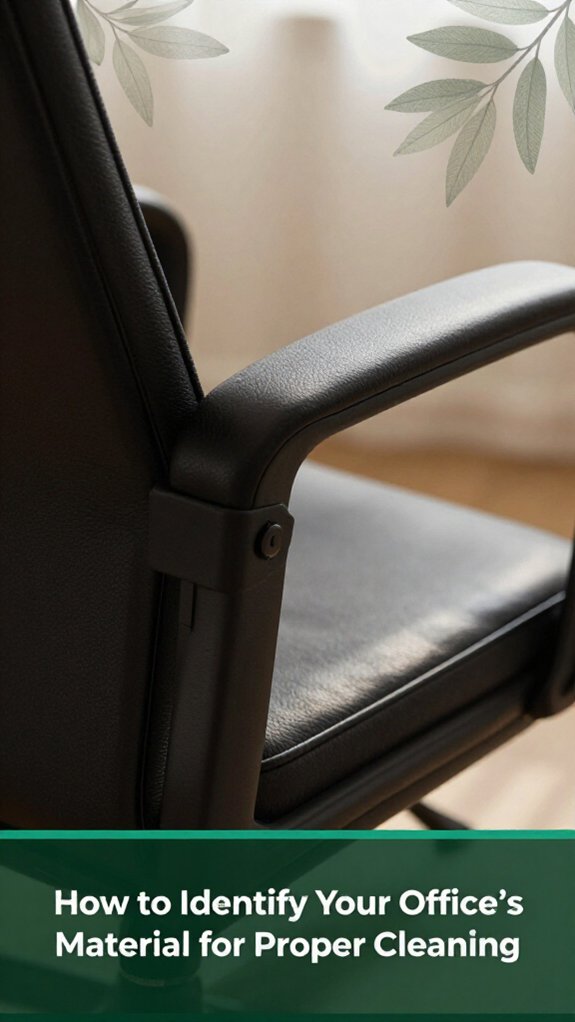
Ever looked under your office chair and wondered, “What in the world is this made of?” Don’t worry, you’re not alone. If you want to learn how to clean your office chair properly, identifying your chair’s material is key. Use the care tag see those codes: “W,” “S,” “P”? They tell you how to clean it without causing damage.
Or, give it a visual inspection: Is the surface smooth and glossy, or woven and matte? These visual clues help identify the material type. Gentle tug tests can reveal whether it’s mesh, which consists of flexible fibers, or solid upholstery like leather or synthetic covers.
Drop some water onto the surface: Leather tends to produce beads of water, indicating water resistance, while fabric typically soaks up moisture. Mesh materials tend to disperse water quickly across the fibers, preventing absorption.
And if you feel adventurous, UV light exposure can help differentiate synthetic fibers from natural ones synthetic fibers tend to fluoresce under UV light, while natural fibers do not.
Once you know what you’re dealing with, cleaning becomes much easier and less like guessing. Correct identification ensures you can use appropriate cleaning products and techniques, prolonging the lifespan and maintaining the appearance of your office chair.
You probably know how quickly dust and crumbs can turn your nice office chair into a tiny junkyard, regardless of how careful you’re with your snacks.
Dust and crumbs can turn your office chair into a tiny junkyard quickly even with careful snacking.
So, make weekly vacuuming your new best friend. Use a soft-bristle brush attachment on low or medium power to gently remove debris from the seat, backrest, and armrests.
Focus on seams and crevices those sneaky spots where crumbs hide and dust accumulates, which can contribute to bacterial growth and reduce the overall hygiene of your workspace.
According to OSHA ergonomic guidelines, regular cleaning of office furniture can help prevent allergen buildup and support better respiratory health, especially in enclosed office environments.
Vacuum the chair once a week; if your workspace is shared or highly trafficked, consider doing it twice weekly to maintain optimal cleanliness.
Always empty the vacuum canister after each session to ensure maximum suction efficiency and prevent dust recirculation.
This routine will help reduce the likelihood of sitting on accumulated debris, which can cause discomfort or exacerbate existing lower back or lumbar issues.
Additionally, proper vacuuming techniques help ensure that all hidden dust and dirt are effectively removed without damaging delicate chair surfaces, supporting your chair’s longevity and your overall health.
Regular cleaning is also vital for maintaining the lumbar support, preventing dust buildup that could compromise its comfort and effectiveness over time.
Sometimes, it feels like your office chair is secretly a dirt magnet no matter how careful you’re with snacks or what you wear, dust and grime find their way into every crevice. According to OSHA ergonomic guidelines, regular cleaning can help maintain a healthy seated environment and prolong your chair’s lifespan. I get it; your chair doesn’t stay pristine forever. When it’s time for a deep clean, start by checking the care tag.
For fabric chairs, mix mild soap and warm water warm water being gentle on fibers then dab gently, avoiding harsh scrubbing that could damage the material. For leather, use a pH-balanced cleaner or diluted alcohol for disinfecting purposes, according to Mayo Clinic recommendations; gently wipe the surface, buff to restore shine, then apply a leather conditioner to prevent cracking. Using the correct cleaning products ensures that your chair stays undamaged and safe for use. To better maintain ergonomic support, consider how improperly cleaned or maintained surfaces can contribute to discomfort over time.
Mesh chairs should be vacuumed first to remove loose dirt and dust; then spot-clean with a mild soap solution, making sure to avoid excessive moisture that could weaken the fabric or promote mold growth. Let the mesh air dry in a well-ventilated space, ensuring complete drying to prevent mold or mildew. After drying, re-vacuum the mesh to lift any loosened dirt and debris. Proper maintenance can aid in preventing posture problems caused by support degradation over time.
All these steps vacuuming, spot-cleaning, and drying are essential to maintaining ergonomic support and comfort, especially considering how dirt buildup can contribute to unpleasant odors or degraded support over time. Deep cleaning your office chair periodically helps sustain proper lumbar and thoracic support for better spinal health, reducing discomfort linked to thoracic kyphosis or lumbar strain. Keep your office chair feeling fresh and you, sitting comfortably by incorporating these deep cleaning practices into your routine.
The most important step to keep your office chair feeling smooth and supportive is to regularly inspect and tighten its moving parts and casters. I’ve experienced the frustration wobbly wheels, squeaky components, and feeling like I’m balancing on a tiny boat in a storm. Here’s how you can maintain optimal function:
First, check all nuts and bolts weekly. Give each a quarter turn, especially the casters. If you notice wobbling wheels or loosened mechanisms, tighten them promptly to prevent further wear. Regular inspections help prevent minor issues from becoming major repairs.
Check and tighten nuts and bolts weekly to ensure your chair stays smooth and wobble-free.
Second, thoroughly clean the casters. Remove them from the chair, then scrub out hair, dust, and debris with a brush or cloth. Soak the casters in warm, soapy water to loosen grime, then dry them completely.
After cleaning, apply a silicone-based lubricant to ensure smooth rolling this reduces resistance and prevents squeaks.
Third, lubricate the pivots, height adjusters, and other moving joints with a silicone spray every few months. Proper lubrication ensures all components move freely without resistance, which helps maintain ergonomic support and reduces strain on your lumbar, thoracic, and cervical regions.
According to OSHA ergonomic guidelines, well-maintained office furniture minimizes musculoskeletal discomfort.
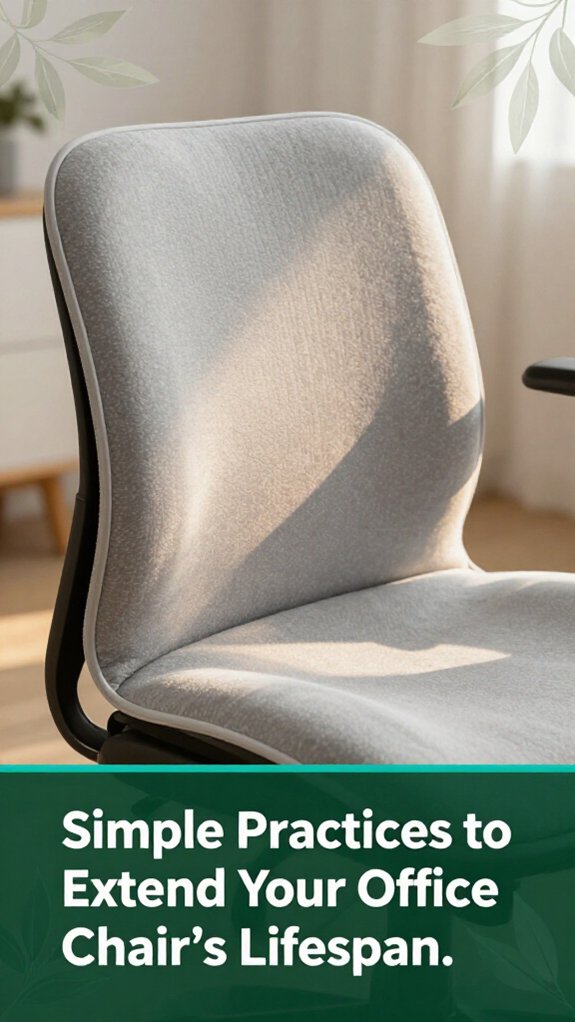
All right, since you’re already taking care of your chair’s moving parts, it makes sense to extend its lifespan by keeping it clean and dust-free.
Regular vacuuming with an upholstery attachment removes crumbs, hair, and dust that settle into fabric, mesh, or leather surfaces. Use a low-suction setting to avoid damaging delicate materials, and a soft brush or microfiber cloth can reach into crevices to dislodge debris.
For fabric chairs, a weekly light vacuum and monthly deep cleaning with a fabric-safe cleaner are ideal.
Leather surfaces require weekly wipe-downs and bi-monthly conditioning to prevent cracks and maintain flexibility.
Mesh and vinyl components should be gently vacuumed weekly and spot-cleaned monthly to prevent the buildup of dirt and allergens.
Think of this routine as a quick health check-up for your chair keeping it in good condition prolongs its ergonomic support and functionality. Furthermore, performing routine maintenance every six months can help identify early signs of wear, such as loose screws or worn casters, before they develop into costly problems. routine maintenance Regular inspections of structural components can greatly contribute to extending your chair’s overall lifespan, especially when combined with proper environmental care.
When stains or spills occur and trust me, they will your initial action can determine whether you achieve quick cleanup or struggle with persistent marks.
First, check your upholstery tag. If it’s “W,” use a mild soap-water solution; if “S,” opt for a solvent like dry-cleaning spray. For “SW/WS,” choose based on the specific stain type.
Here’s an important point: always pre-test your cleaning solution on a hidden area with a microfiber cloth and wait five minutes to ensure there’s no discoloration or damage.
When you notice a mess, blot gently without rubbing, because rubbing can push the stain deeper into the fabric or upholstery fibers, making it more difficult to remove. Use a soft-bristled brush before applying the cleaning solution to loosen debris or stains, then mist the area with your selected solution.
Finish by blotting with a clean, dry cloth and vacuuming once the surface is completely dry.
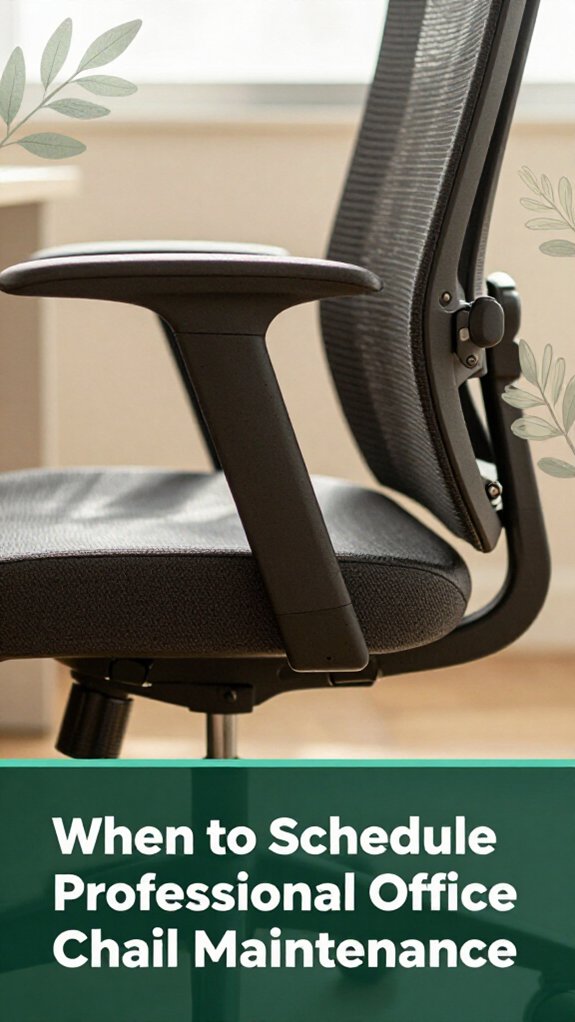
If your office chair starts making unusual noises or seems to be functioning more sluggishly, it’s probably time to schedule professional maintenance before that squeak turns into a louder, more persistent noise you can’t ignore.
I understand initially, it’s just a minor annoyance, but then you notice the height adjustment mechanism drags or wobbles more than it used to. This gradual decline indicates internal wear or a failing gas cylinder, as research on spinal biomechanics suggests.
If you see cracks in the chair’s structural components or the wobbling can’t be fixed with tightening, don’t ignore these signs; they signal that something is broken and needs repair.
Cracks or persistent wobbling indicate damage and require prompt repair to ensure safety and longevity.
Stubborn stains that resist cleaning, especially if DIY cleaning doesn’t resolve them, also warrant professional intervention.
Booking a professional service every 12 to 18 months for high-use chairs such as those used for more than 8 hours daily or sooner if problems arise, helps maintain comfort and safety.
Proper maintenance prolongs the lifespan of your office chair and prevents potential musculoskeletal issues caused by inadequate support.
Regular checks on ergonomic adjustments and the chair’s mechanisms ensure continued support and function, aligning with best practices for ergonomic setup and spinal health.
Ultimately, regular professional maintenance ensures that your ergonomic setup remains optimal, reducing the risk of conditions like lower back pain and spinal misalignment.
All right, you’ve probably had that moment where your office chair squeaks louder than your coworker’s coffee machine or wobbles just enough to make your screen tilt. Instead of ignoring it, you know you should keep a record.
Here’s why: tracking your chair’s care ensures nothing slips through the cracks and helps you spot recurring issues. Consistently documenting maintenance actions enables you to identify patterns and address problems before they become severe.
Trust me, your future self will thank you when your ergonomic office chair keeps rolling smoothly, maintaining proper lumbar and thoracic support, especially for those with lower back issues or prior musculoskeletal discomfort.
Yes, you can use household cleaning products, but it’s tricky.
I’ve learned the hard way that not all sprays or soaps are created equal some can wreck your upholstery or cause discoloration.
Stick to mild soap and water for fabric or leather cleaner recommended by the manufacturer.
Test first, avoid saturating fabric, and don’t go all-in with harsh chemicals.
Your chair will thank you, and your warranty, too.
You should replace worn caster wheels every 6 to 12 months, depending on how often you use your chair.
If they look chipped, wobble, or squeak a lot, it’s time. Trust me, I’ve ignored it and ended up with scratches and more frustration.
Replacing them is quick under five minutes and keeps your floors safe, your chair rolling smoothly, and your back happy.
Don’t wait until it’s a real mess!
Think of a steam cleaner like a hot detective it’s great for some fabrics but can cause trouble if you’re not careful.
You shouldn’t use it on most office upholstery, especially if it’s natural fibers or leather. The heat and moisture can cause shrinking, dye bleed, or damage delicate coatings.
You’ll know your chair needs a professional fix when it wobbles without reason, tilts oddly, or makes grinding noises like it’s protesting.
If it sinks slowly or armrests slip out of place, that’s another clue. Cracks in the frame or broken casters definitely scream for help.
Basically, if DIY tweaks don’t solve the problem or repairs seem expensive compared to a new chair, it’s time to call the pros.
To prevent color fading on your leather chair, you’ve got to shield it from UV rays that means installing UV-filtering films or curtains and keeping it away from direct sunlight.
Use a UV-resistant leather protector spray regularly, and pick products labeled “UV-inhibitor.”
Also, rotate the chair’s location seasonally.
Think of it like sunscreen for your furniture it’s your best shot at keeping that rich color vibrant for years.
Alright, so you see, keeping your chair in decent shape isn’t just about avoiding that squeak on your Zoom calls it’s like giving your office a little armor. Trust me, a few spare minutes now, a quick wipe here, a good check there, can save your back and your wallet in the long run. Think of it as your own quiet, vintage act of self-care like putting a penny in the jukebox for good luck, but way more practical.